
Reducing Solvent Consumption Without Changing a Validated Method
Start with solvent that never reaches the intended work: excess orders, stock that expires before use and purchases made against outdated schedules. Procurement and laboratory teams can address those losses while keeping approved solvents, operating settings and quality controls in place. Judge each opportunity against the actual method and site procedures before treating it as a purchasing decision.

Separate required use from avoidable stock losses
List the approved solvent identities and grades by method, then compare purchasing and inventory records with the work the lab actually completed. Look for repeated write-offs, overlapping orders and changes in demand that did not reach the buyer. Keep required method use visible, including applicable preparation, equilibration, blanks, standards, system checks and rinses. Those volumes belong in the demand estimate.
A purchase is not a measure of consumption. If orders fall for a month because the lab draws down existing inventory, that may improve stock management, but it does not show that the method used less solvent. Conversely, solvent that expires on a shelf can represent avoidable loss even if the volume required per run stays constant. The US EPA's Environmental Management Guide for Small Laboratories describes centralized purchasing, ordering needed quantities and stock rotation as examples of waste prevention. Its inventory ideas are useful starting points for discussion.
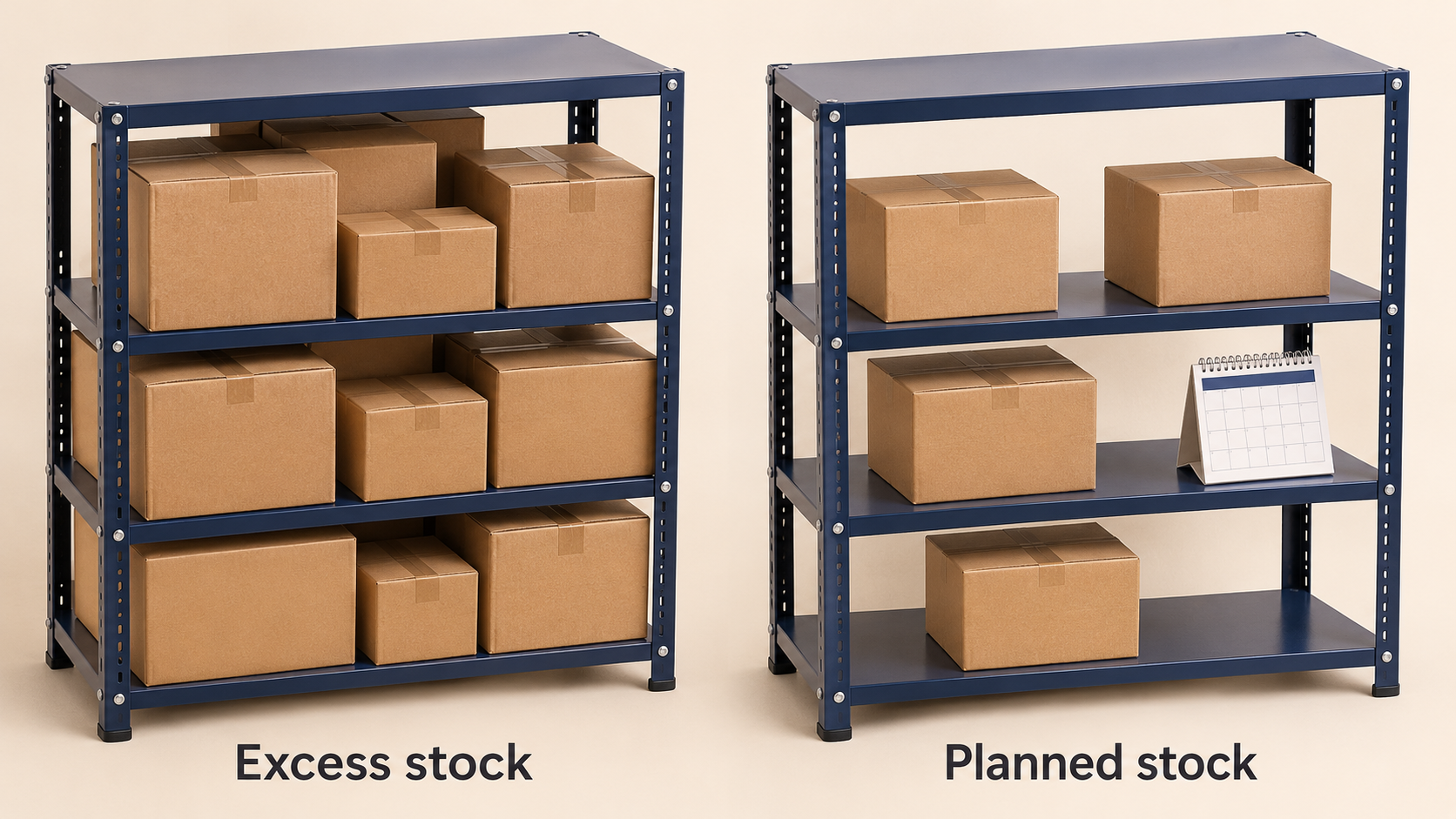
Use the work schedule to improve the next order
- Reconcile available stock and open orders. Use inventory the lab has confirmed is eligible for the intended work. Keep material of a different grade, stock on hold and material outside its approved use period out of the available balance.
- Plan around upcoming work and supplier lead times. Include routine workload and the full approved controls, plus expected changes such as a paused project or a new campaign. Review the forecast with the people who own the schedule.
- Compare pack sizes for the same approved material. Compare pack price, order frequency and the quantity normally used within the applicable use period. Ask the method and quality owners whether a different pack or container requires review; a matching chemical name alone cannot answer that.
For example, a delayed project can leave an approved grade with more stock on hand than the remaining work needs. A buyer can check whether an outstanding order can be rescheduled and ask the lab to confirm which existing lots are eligible. That can reduce new purchasing for the period without changing any preparation or run. Whether it reduces expired volume depends on what happens to those lots.
Recognize when a proposal crosses into the method
Changing the solvent supplier or grade, reducing the volume used in an approved preparation, changing instrument flow or moving an analysis outside its allowed timing can affect the procedure. So can removing a blank or combining sequences where the method requires separate controls. Refer such proposals to the method owner and the applicable change process. ICH Q14 provides a pharmaceutical example of identifying controlled parameters and reviewing analytical procedure changes. The specific obligations for a laboratory depend on its method, quality system and applicable requirements.

Track the loss you set out to reduce
For the next review, compare stock written off, emergency orders and stockouts alongside the volume purchased and the amount of work completed. Keep unlike methods separate when comparing workload. Start with one recurring order and one loss reason. Bring the approved material identity, upcoming work, eligible stock and open orders to the lab and purchasing review. That gives the team a concrete decision about what to order and when.
Related Reading
- What to check before ordering laboratory chemicals covers grade, documentation and other purchasing details to confirm when planning an order.
- Evidence to review when changing solvent supplier or grade explains the separate question of evaluating a material change.
Leave a comment!