What Is Methanol and What Is It Used for in the Laboratory?
Direct Answer
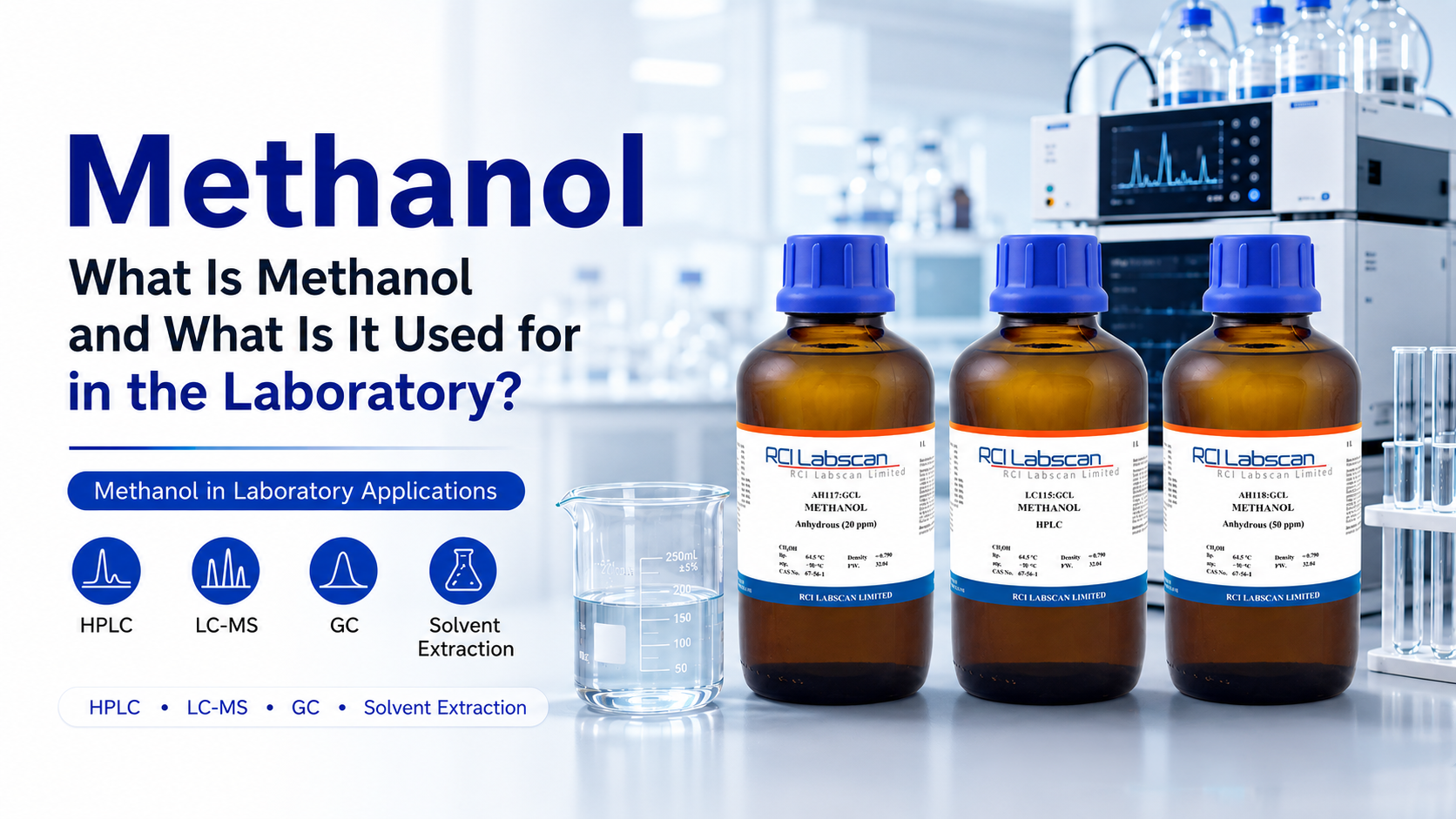
Methanol is a simple alcohol with the chemical formula CH₃OH. It is a clear, colorless liquid that evaporates easily and mixes completely with water. Because methanol dissolves many types of compounds, laboratories use it for chemical analysis, chromatography—including HPLC, LC-MS, and GC—sample preparation, solution preparation, extraction, and equipment cleaning.
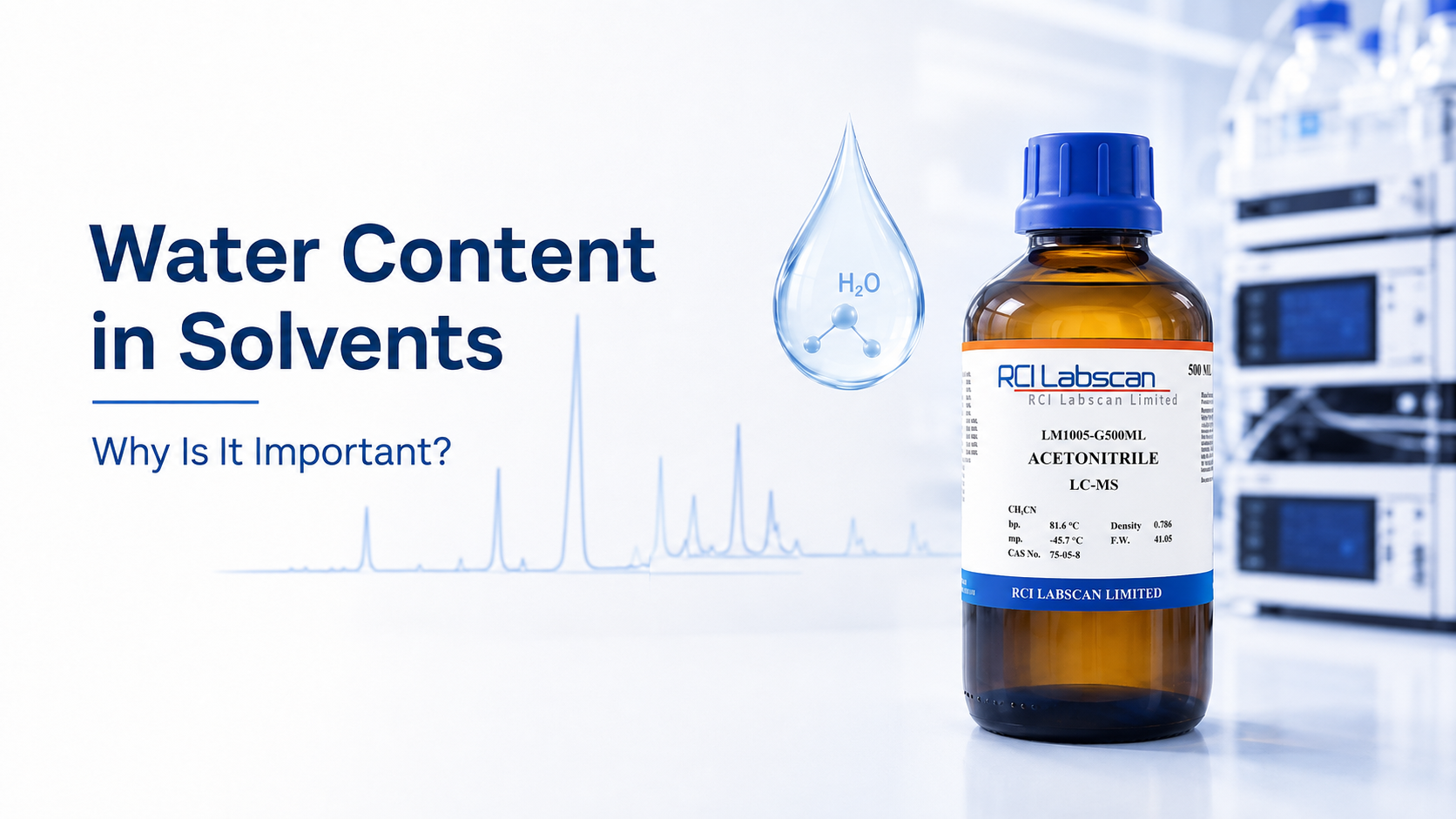
Water content refers to the amount of water present in a solvent. It is important because even a relatively small change in moisture level may alter the actual solvent composition, affect chromatographic retention, reduce method reproducibility, or interfere with moisture-sensitive reactions and analyses.
Why Are LC-MS Grade Solvents Important for Analytical Results?
Direct Answer
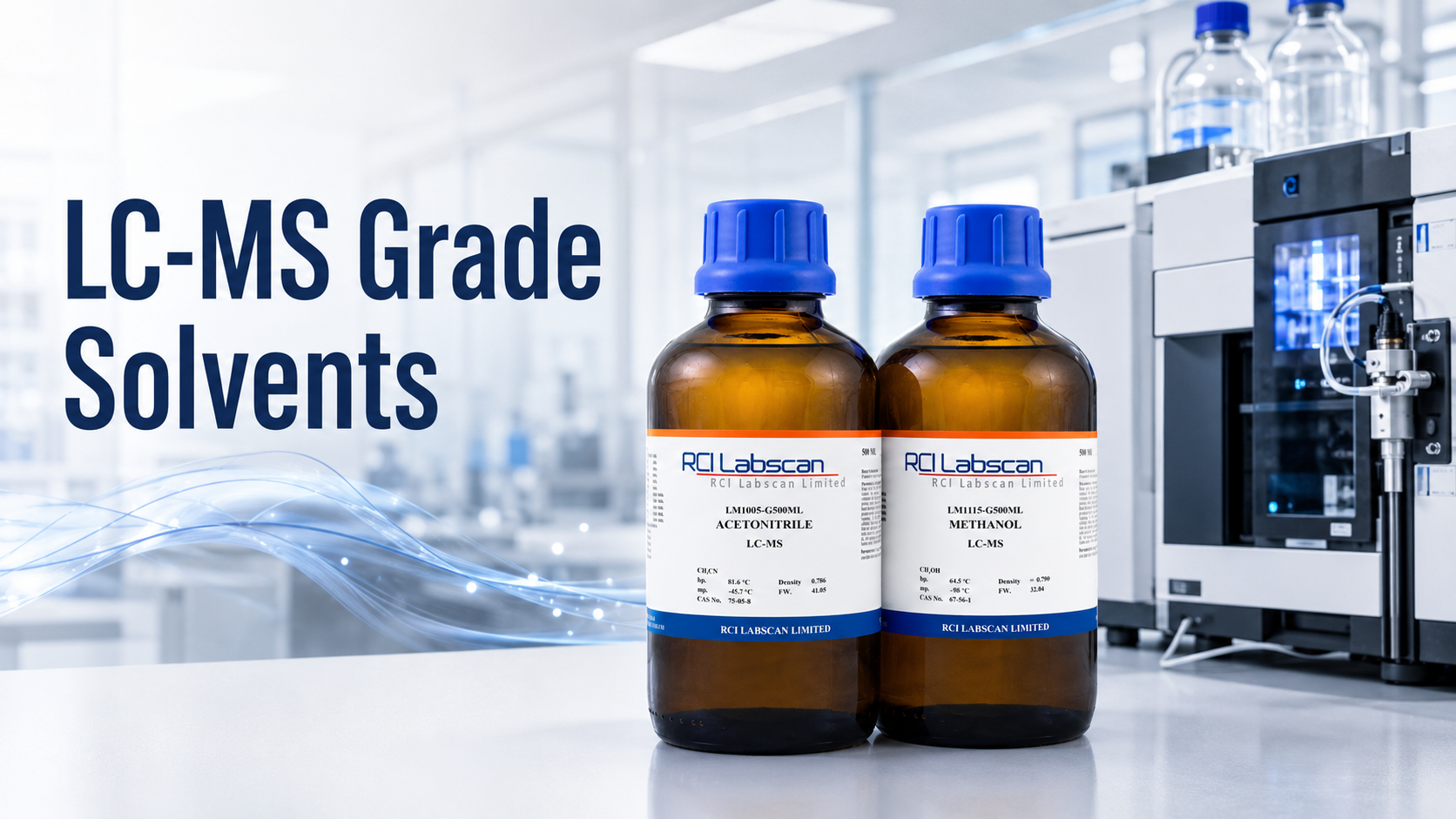
LC-MS grade solvents are important because liquid chromatography–mass spectrometry can detect very small amounts of chemicals, including impurities originating from the mobile phase.
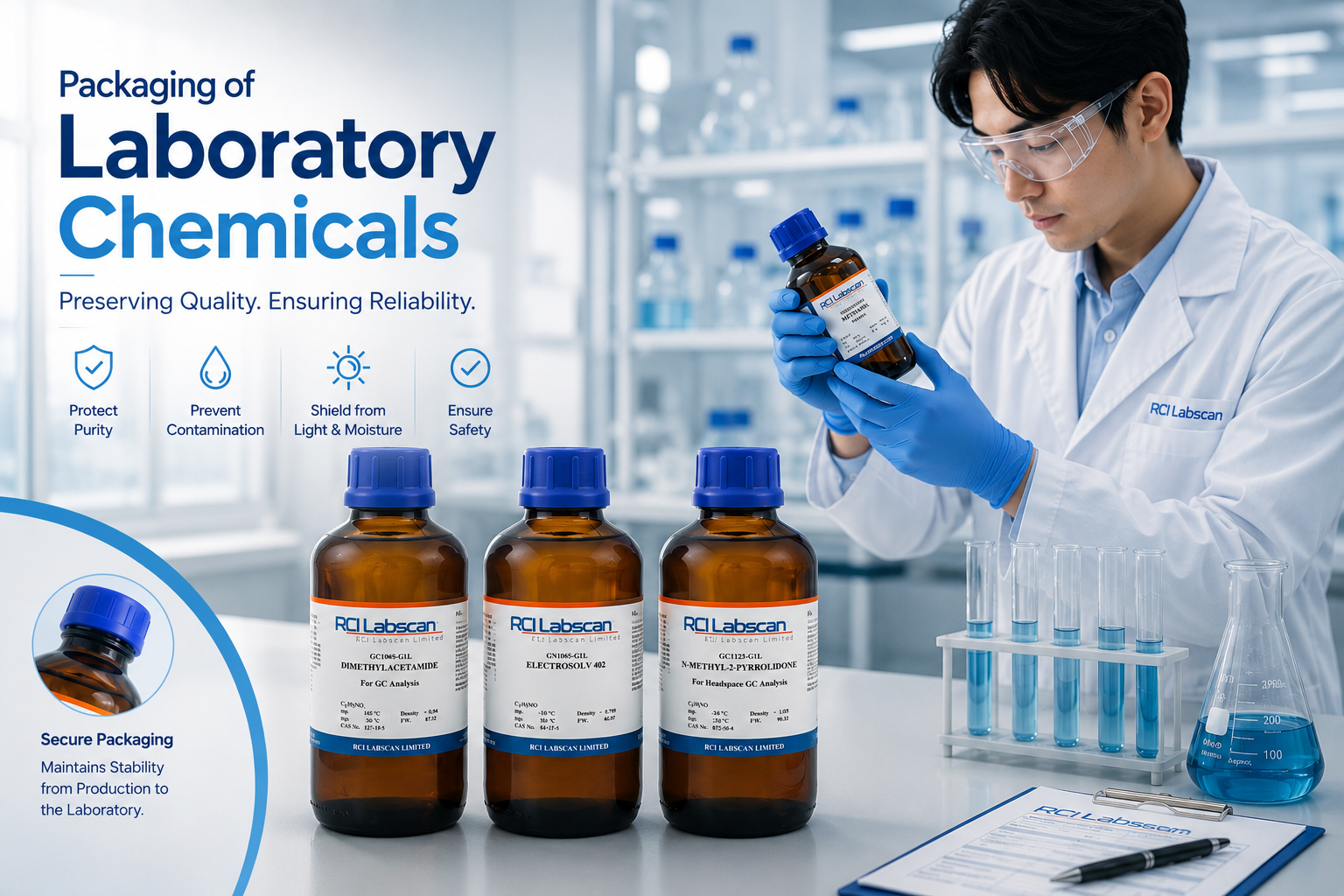
Packaging of Laboratory Chemicals: How Does It Affect Chemical Quality?
Direct Answer
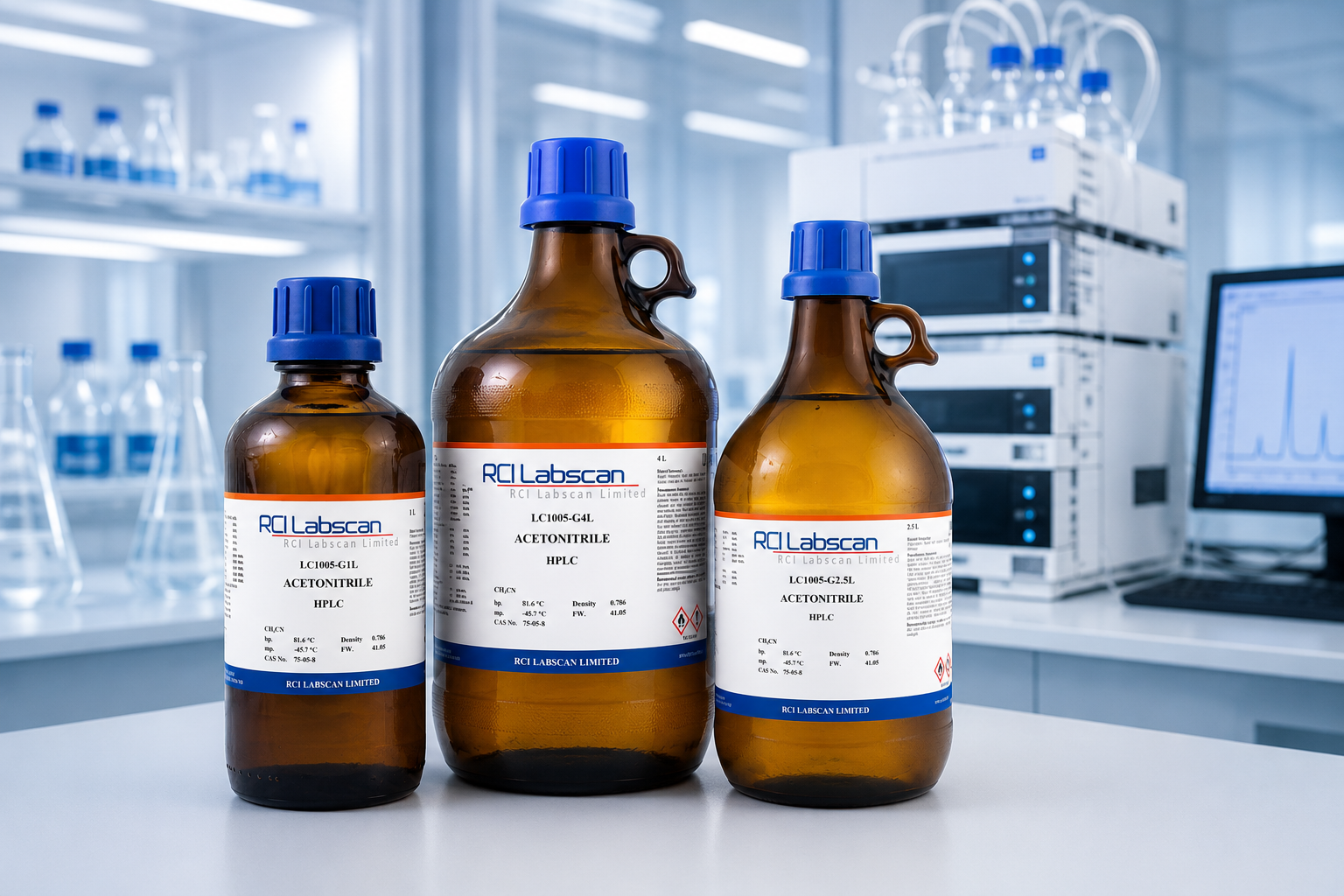
Yes. The packaging of laboratory chemicals plays an important role in maintaining product quality, stability, and safety throughout storage and transportation.
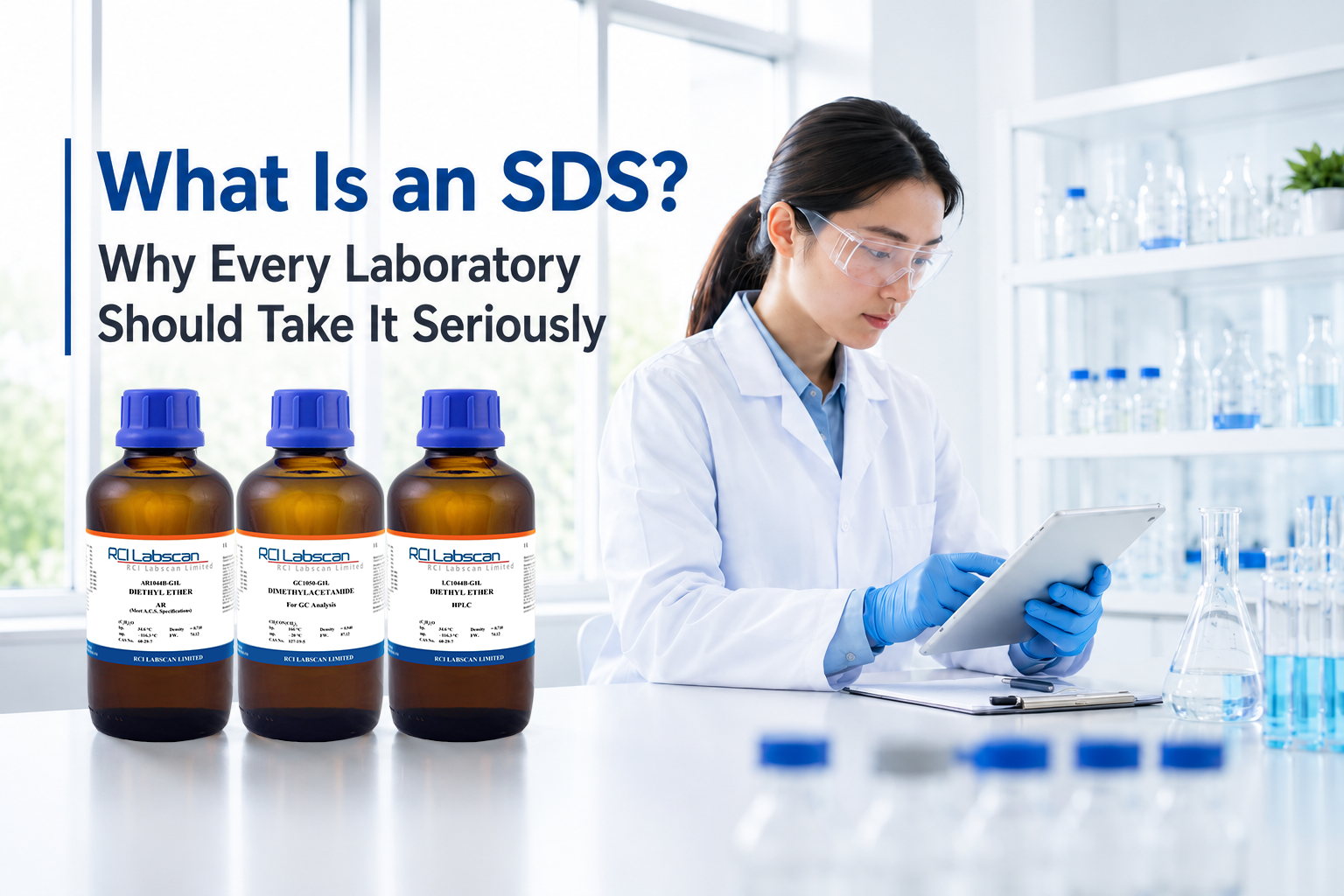
What Is an SDS? Why Every Laboratory Should Take It Seriously
Direct Answer
A Safety Data Sheet (SDS) is a standardized document that provides essential safety information about chemical substances and mixtures. It includes details on hazards, safe handling, storage requirements, first-aid measures, firefighting procedures, accidental release measures, exposure controls, and disposal recommendations.
A practical guide to help procurement teams and lab users order with confidence
Direct Answer
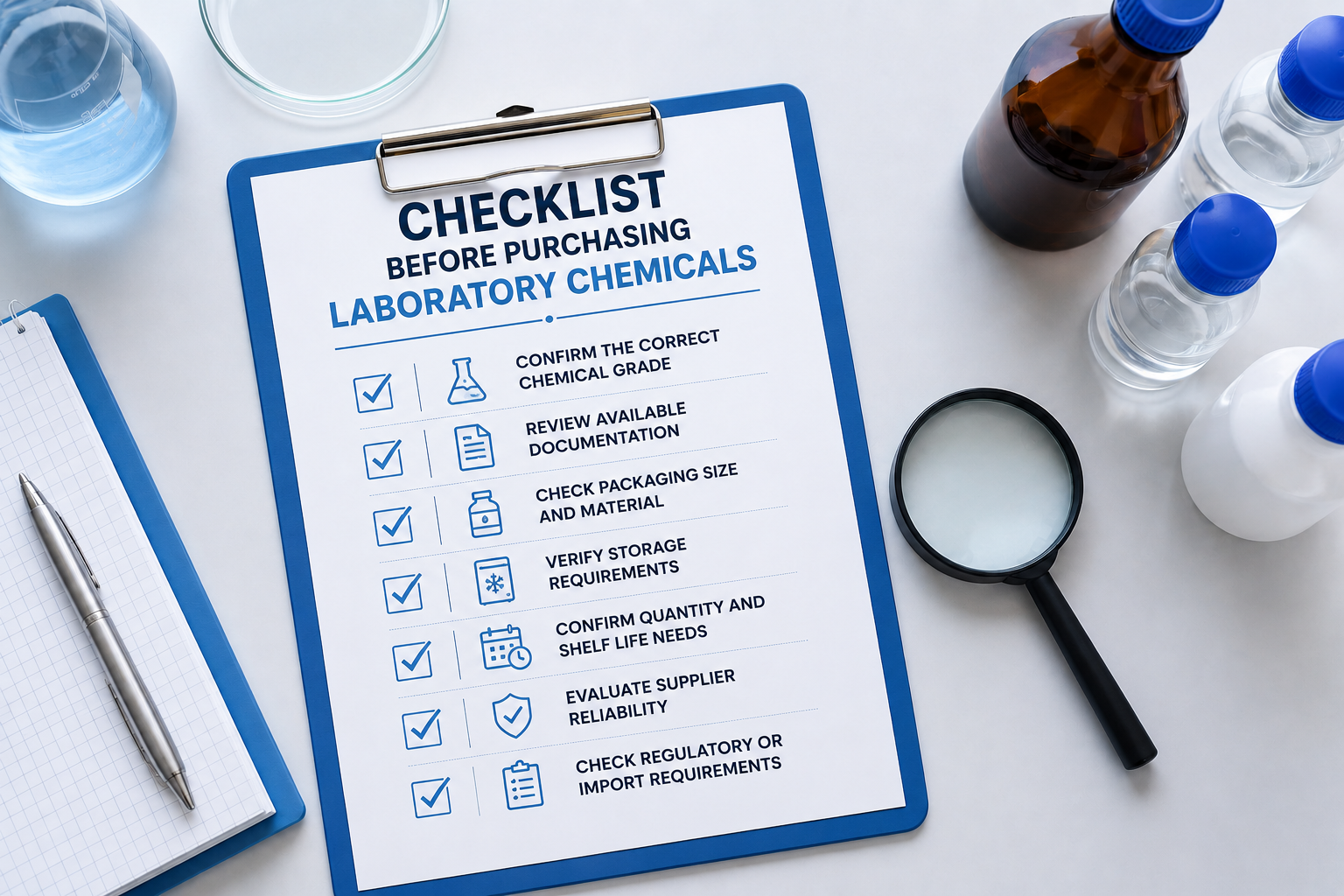
Before purchasing laboratory chemicals, users should confirm the correct chemical grade for their application, review available documentation such as SDS, COA, and product specification, check packaging size and material suitability, and verify supplier reliability and lead time.
Shelf Life vs Expiry Date: What's the Difference for Laboratory Chemicals?
Direct Answer
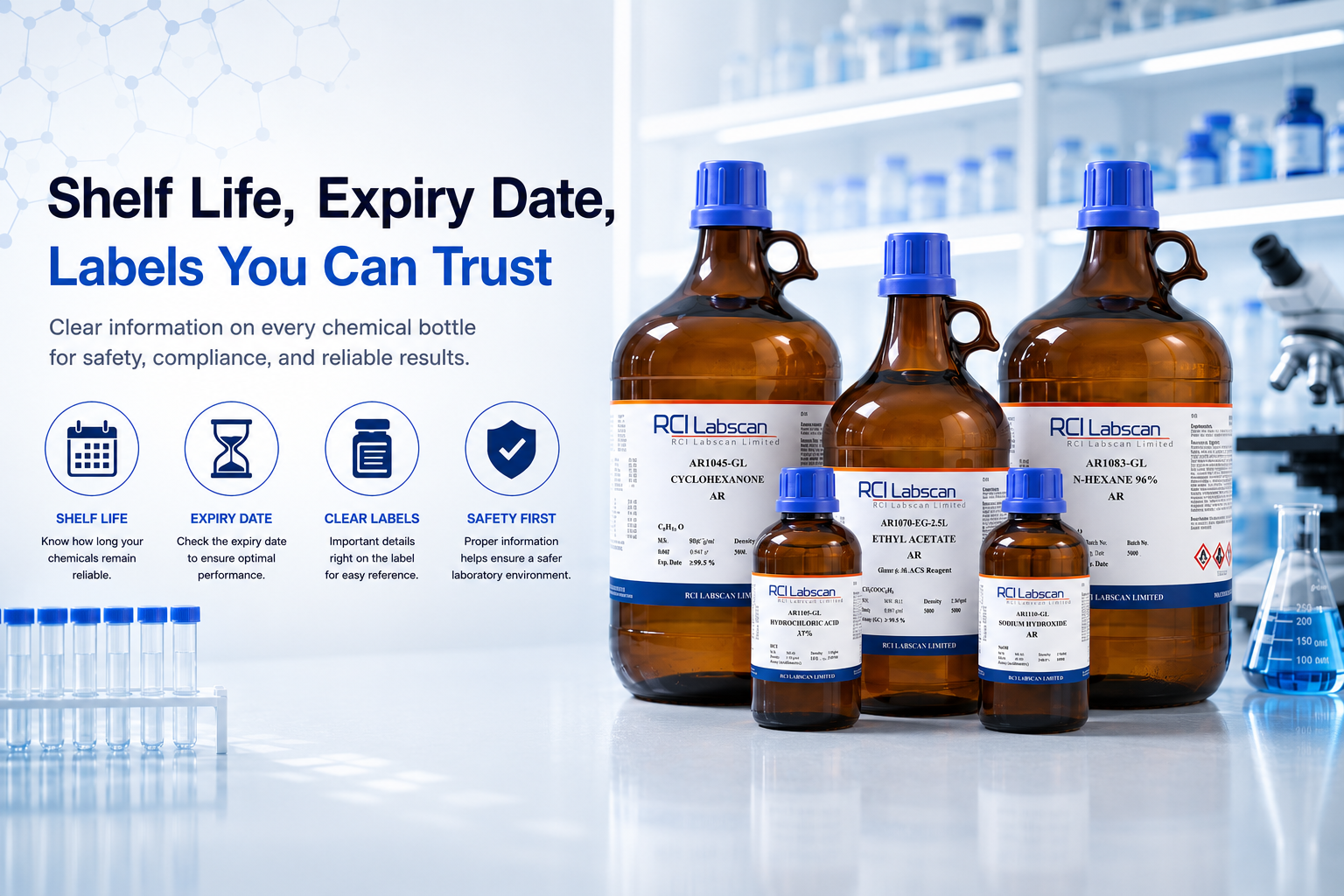
Shelf Life and Expiry Date are related but not identical. Shelf Life refers to the period during which a chemical product is expected to maintain its specified quality when stored under recommended conditions.
What Is ACS Grade? How Does It Differ from AR Grade?
A clear guide to chemical grade terminology for laboratory and analytical use
Direct Answer
ACS grade refers to a chemical purity standard set by the American Chemical Society (ACS), which defines minimum specifications for certain chemical reagents used in analytical and laboratory work.
We use cookies to ensure that we give you the best experience on our website. Unless you've selected "Allow", our website will deactivate the cookies session by default.