
What Procurement Should Check Before Ordering Laboratory Chemicals

What Procurement Should Check Before Ordering Laboratory Chemicals

A role-specific guide for procurement teams managing laboratory chemical orders

Direct Answer

Before ordering laboratory chemicals, procurement teams should verify that the requested grade, quantity, and packaging match what the lab or technical team actually needs, confirm that required documentation such as SDS, COA, and product specification is available, and evaluate the supplier's reliability, communication, and lead time.
COA vs Specification: What Is the Difference?

COA vs Specification: What Is the Difference?

Understanding two essential quality documents in laboratory chemical purchasing

Direct Answer

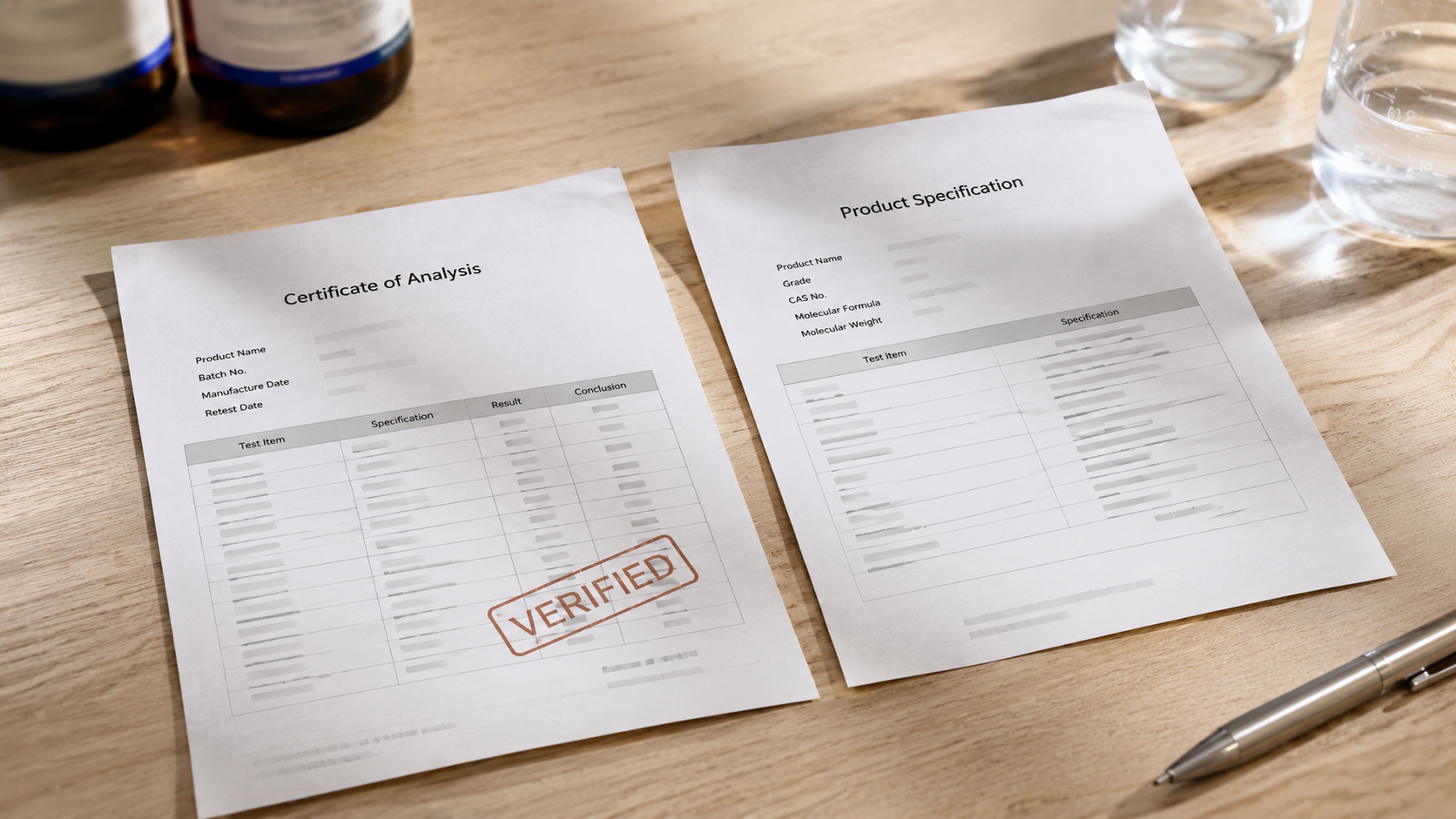
A Certificate of Analysis (COA) is a document that reports the actual, batch-specific test results for a particular lot of a product, confirming that it meets defined quality parameters at the time of testing.

What Is Product Specification and How Should You Read It?

What Is Product Specification and How Should You Read It? Direct Answer

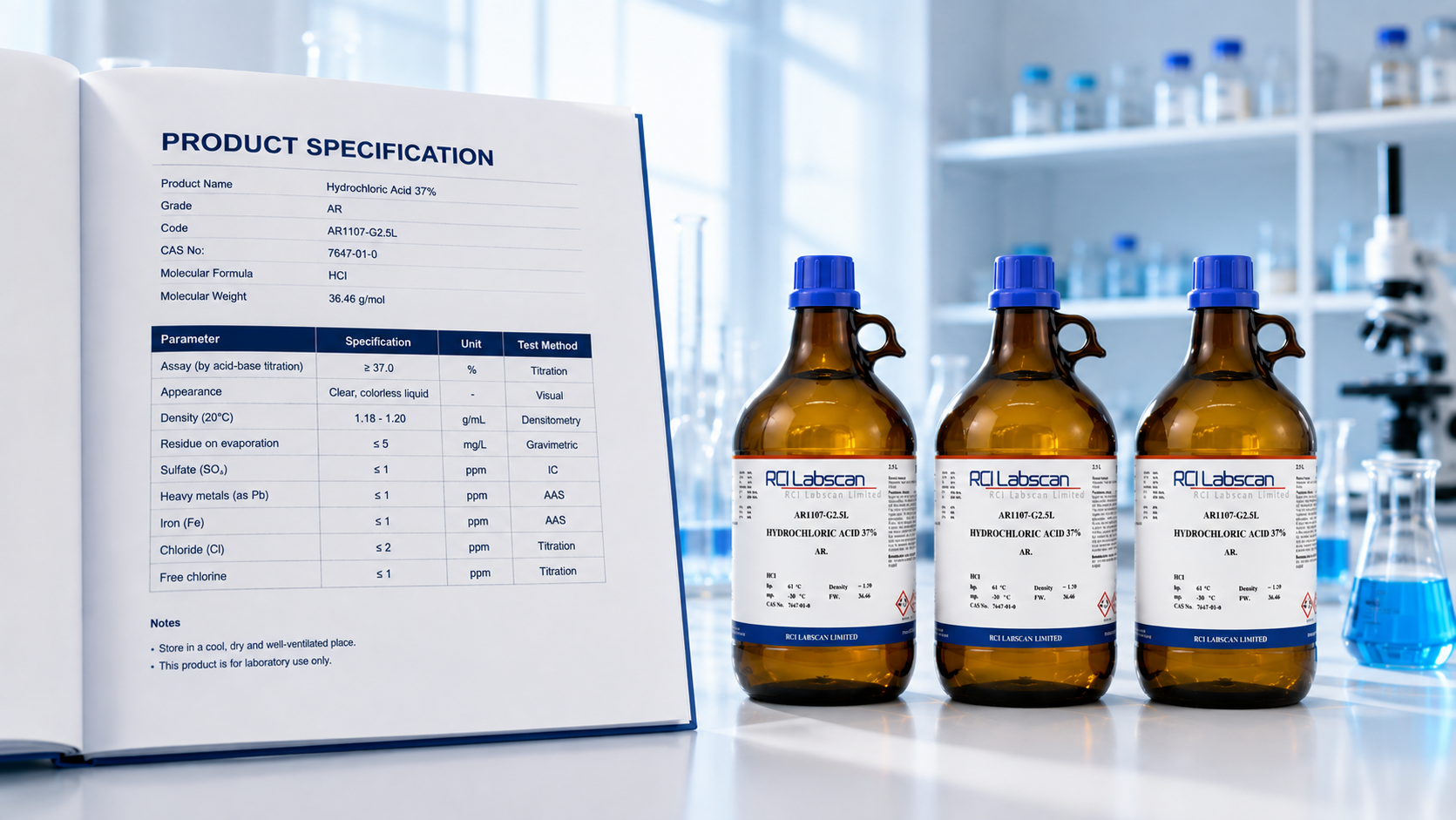
A Product Specification is a document that defines the quality requirements, technical characteristics, and acceptable limits of a product. It helps users understand what a product is designed to meet before purchasing or using it.

What Are Ghost Peaks and How Are They Related to Solvent Impurities?

What Are Ghost Peaks and How Are They Related to Solvent Impurities? Direct Answer

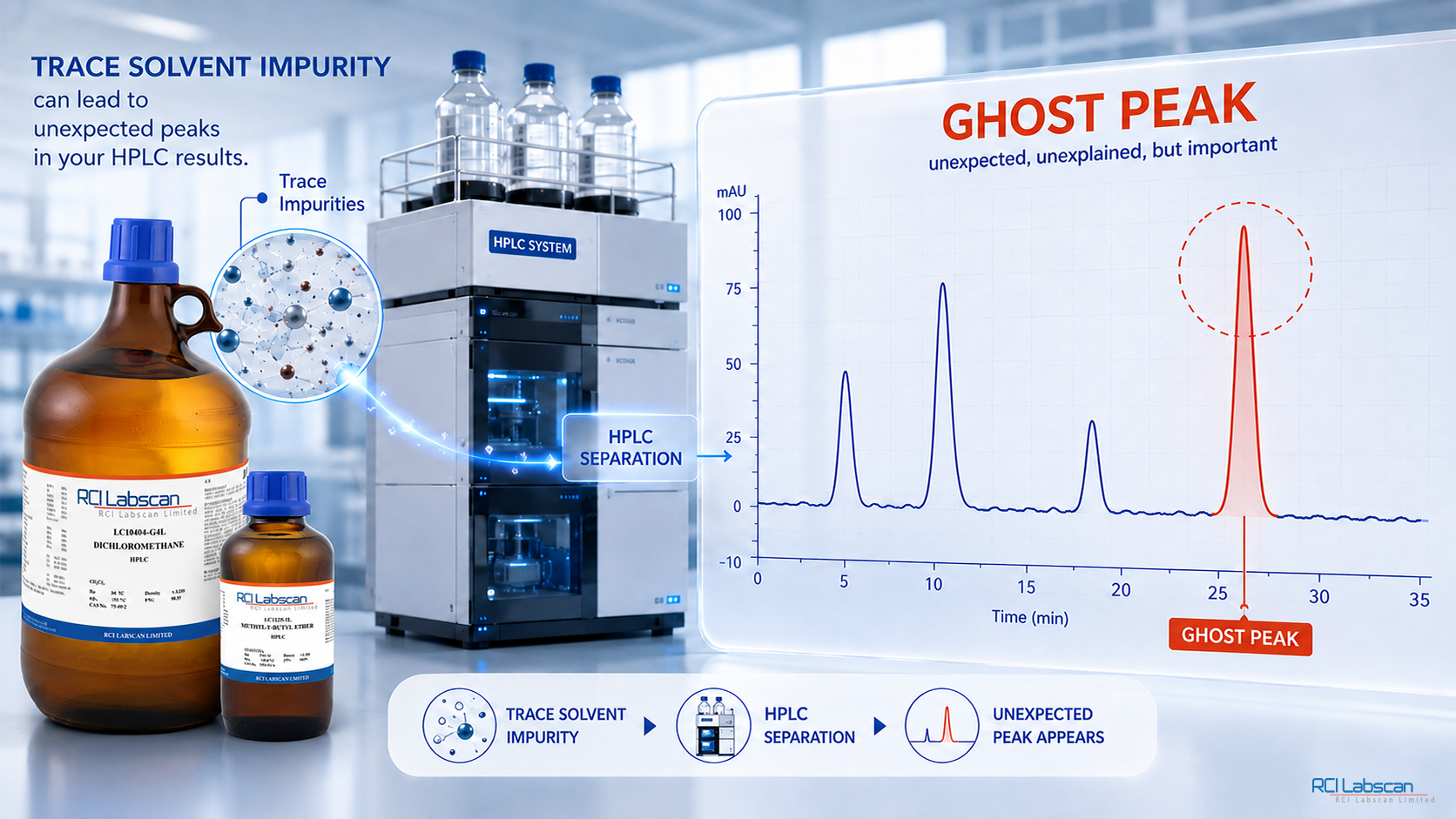
A Ghost Peak is an unexpected chromatographic peak that cannot be linked to the intended sample components.

In HPLC, Ghost Peaks may come from:

Impurities in the mobile phase or solvents Contamination from the HPLC system Carryover from a previous injection Contaminated sample preparation materials Column contamination or strongly retained compounds Additives, buffers, or water used to prepare the mobile phase Contamination from containers, tubing, filters, or other consumables

Therefore, solvent impurities are one possible source of Ghost Peaks, but they are not the only cause.

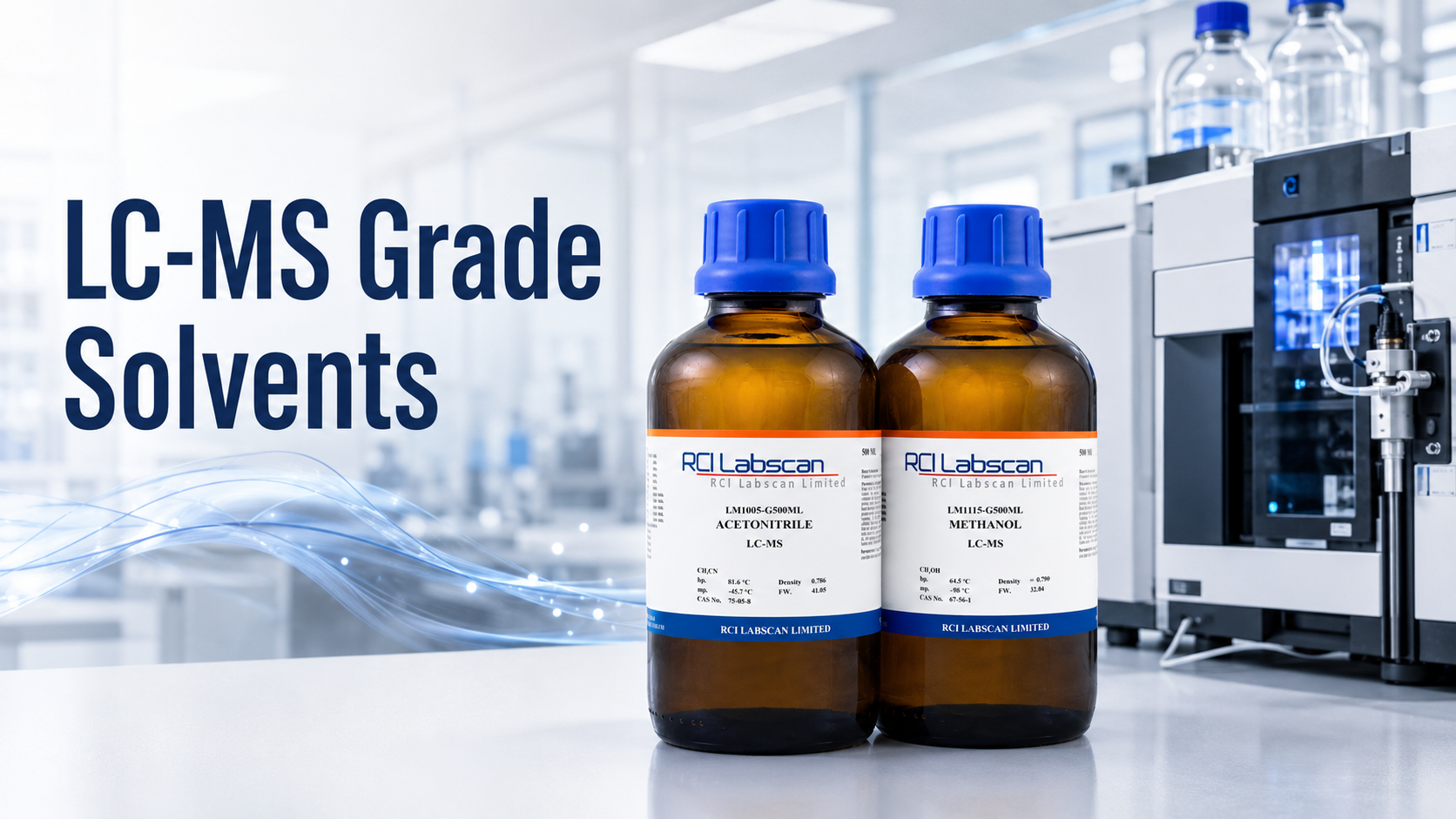
Can HPLC Grade Solvent Be Used for LC-MS?

Can HPLC Grade Solvent Be Used for LC-MS?

Understanding the impurity control differences that affect mass spectrometry results

Direct Answer

HPLC grade solvent is generally not recommended for LC-MS applications, especially for trace-level or high-sensitivity analysis.

What Is a Mobile Phase and Why Is It Important in HPLC?

What Is a Mobile Phase and Why Is It Important in HPLC?

(A Practical Guide to Understanding the Role of the Mobile Phase in High Performance Liquid Chromatography)

Direct Answer

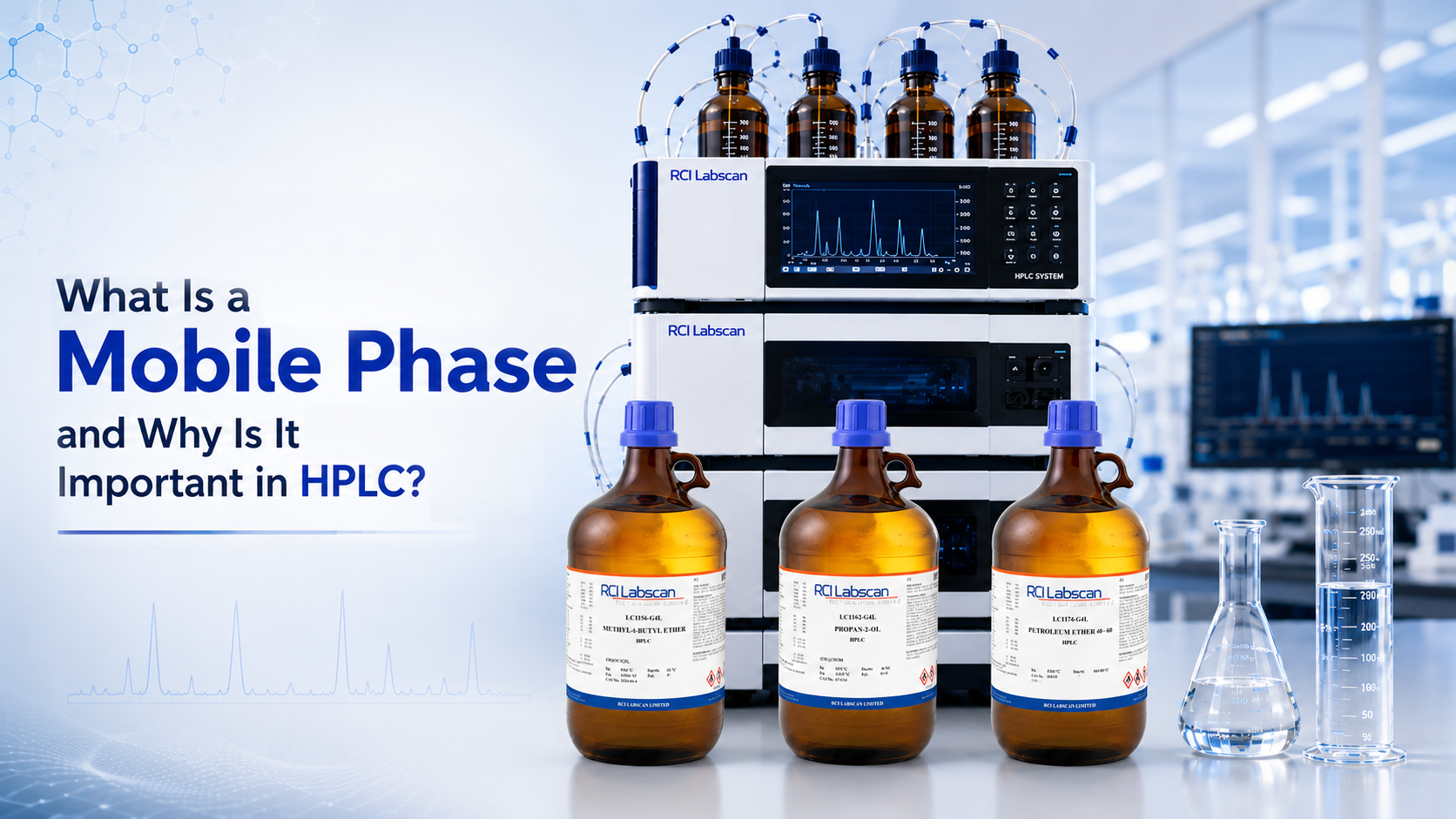
The mobile phase is the liquid solvent or mixture of solvents that carries the sample through the chromatographic column in High Performance Liquid Chromatography (HPLC). It is one of the most important factors affecting chromatographic performance because it influences retention time, separation efficiency, peak shape, resolution, and detector response.

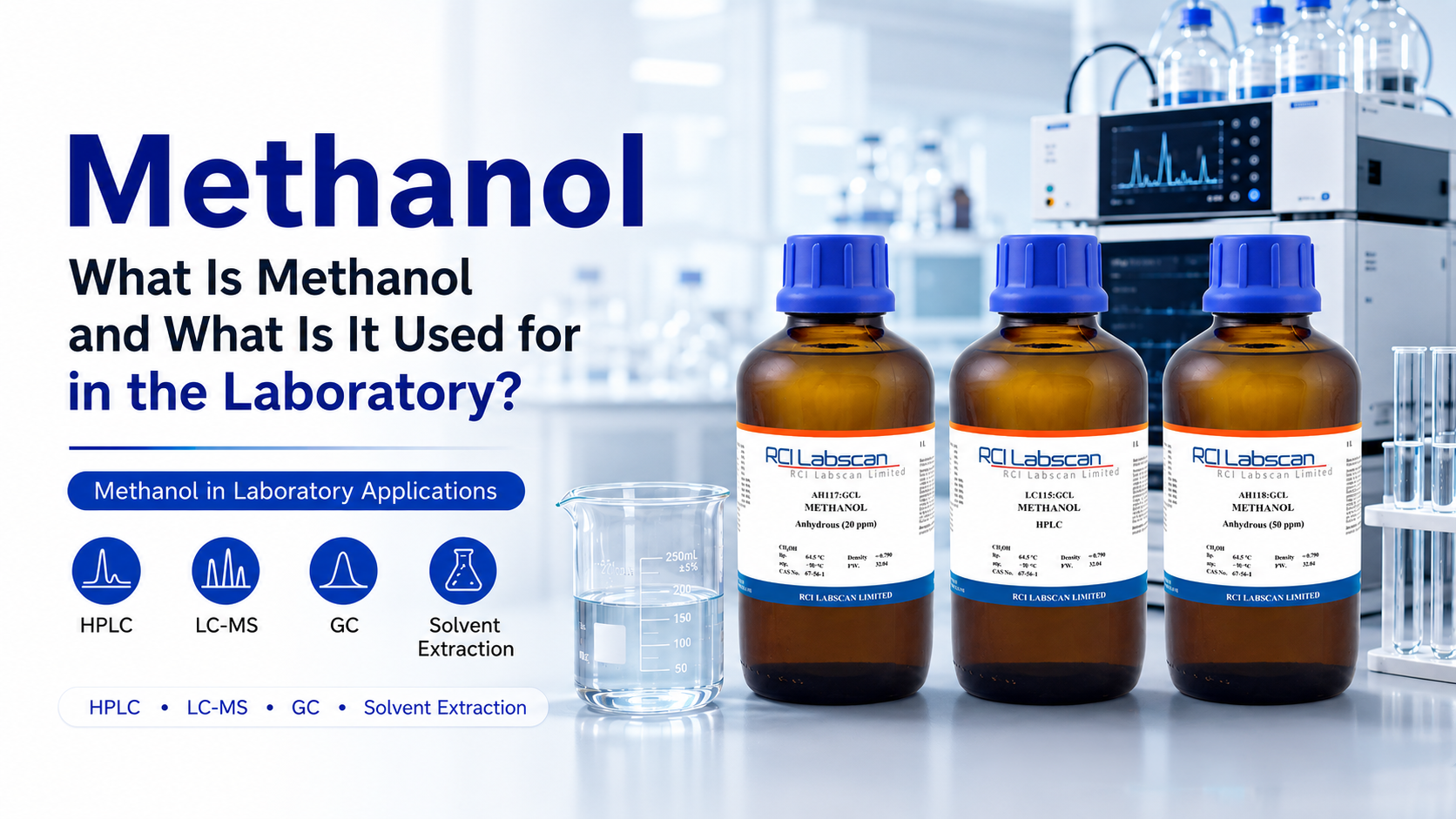
What Is Methanol and What Is It Used for in the Laboratory?

What Is Methanol and What Is It Used for in the Laboratory? Direct Answer

Methanol is a simple alcohol with the chemical formula CH₃OH. It is a clear, colorless liquid that evaporates easily and mixes completely with water. Because methanol dissolves many types of compounds, laboratories use it for chemical analysis, chromatography—including HPLC, LC-MS, and GC—sample preparation, solution preparation, extraction, and equipment cleaning.

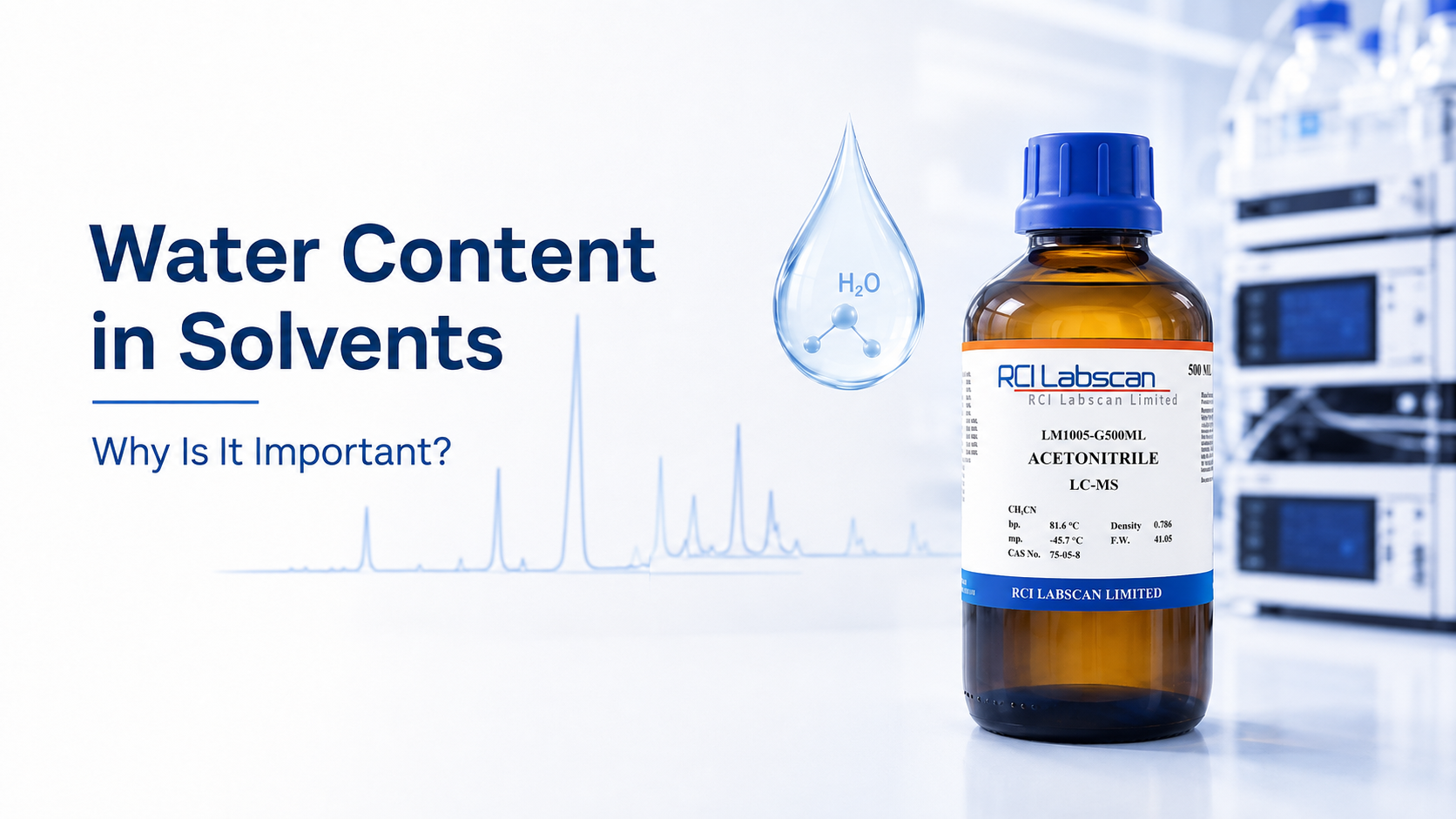
Water Content in Solvents: Why Is It Important?

Water Content in Solvents: Why Is It Important?

Direct Answer

Water content refers to the amount of water present in a solvent. It is important because even a relatively small change in moisture level may alter the actual solvent composition, affect chromatographic retention, reduce method reproducibility, or interfere with moisture-sensitive reactions and analyses.