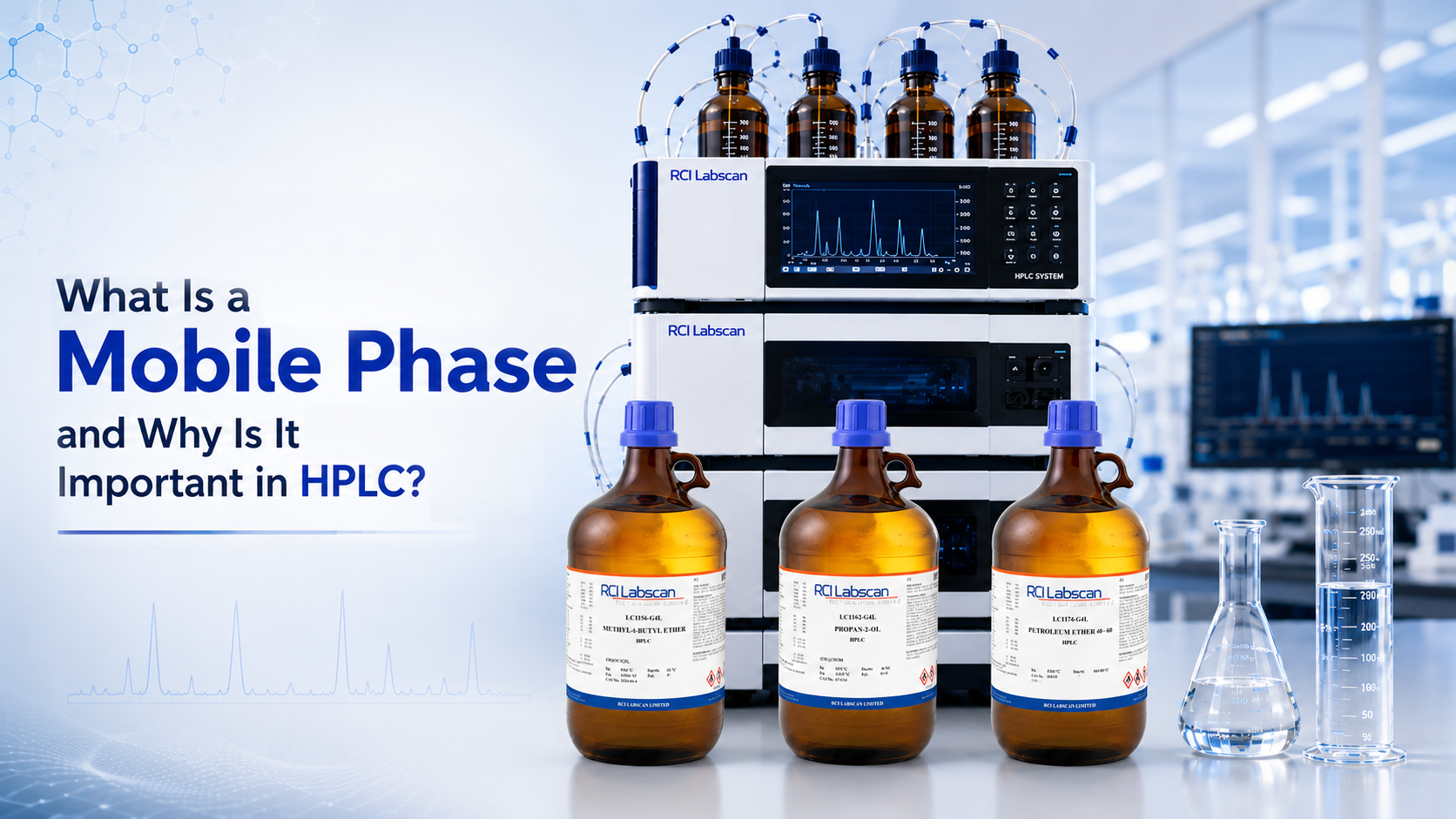
What Is a Mobile Phase and Why Is It Important in HPLC?

What Is a Mobile Phase and Why Is It Important in HPLC?

(A Practical Guide to Understanding the Role of the Mobile Phase in High Performance Liquid Chromatography)

Direct Answer

The mobile phase is the liquid solvent or mixture of solvents that carries the sample through the chromatographic column in High Performance Liquid Chromatography (HPLC). It is one of the most important factors affecting chromatographic performance because it influences retention time, separation efficiency, peak shape, resolution, and detector response.

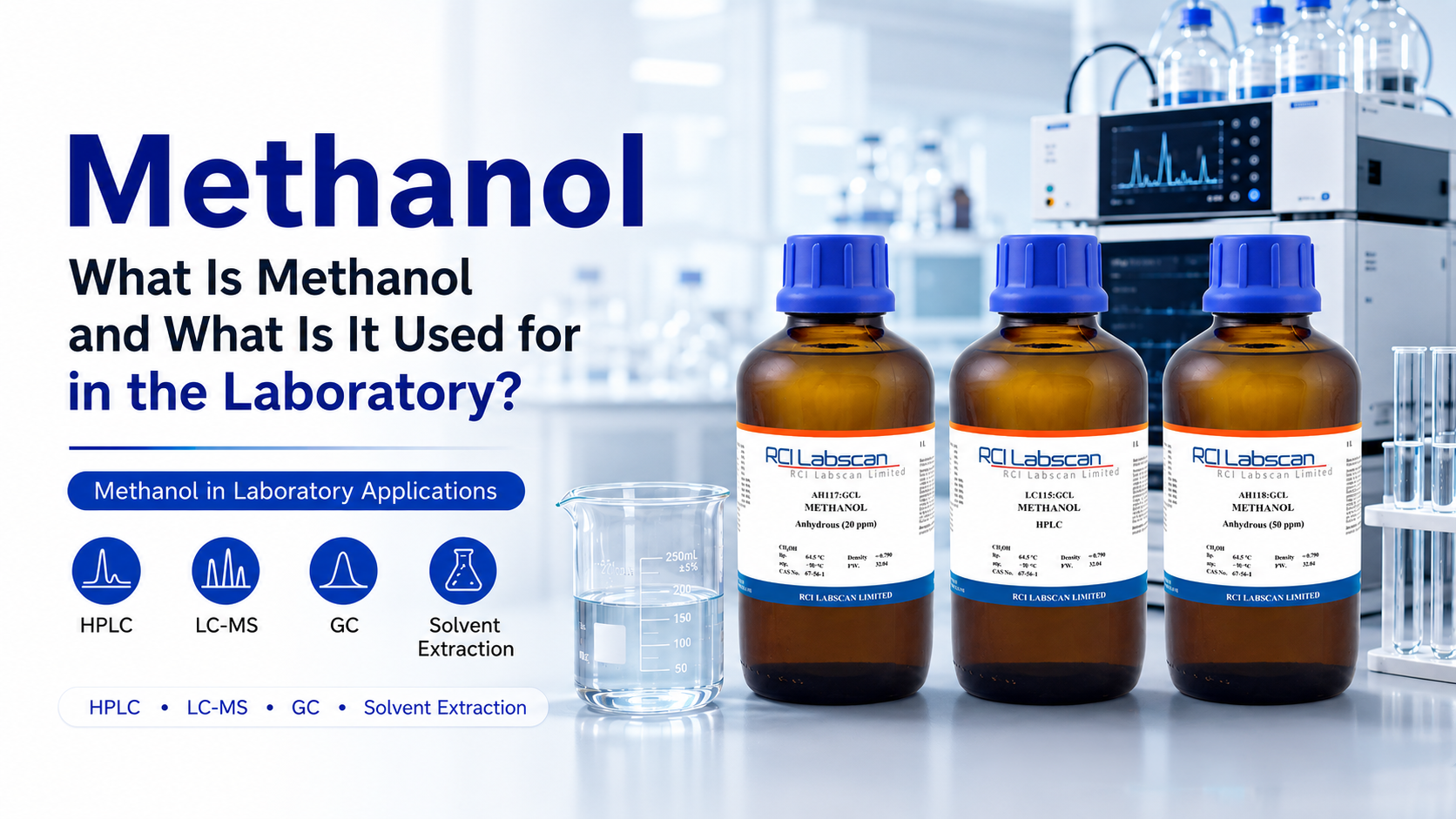
What Is Methanol and What Is It Used for in the Laboratory?

What Is Methanol and What Is It Used for in the Laboratory? Direct Answer

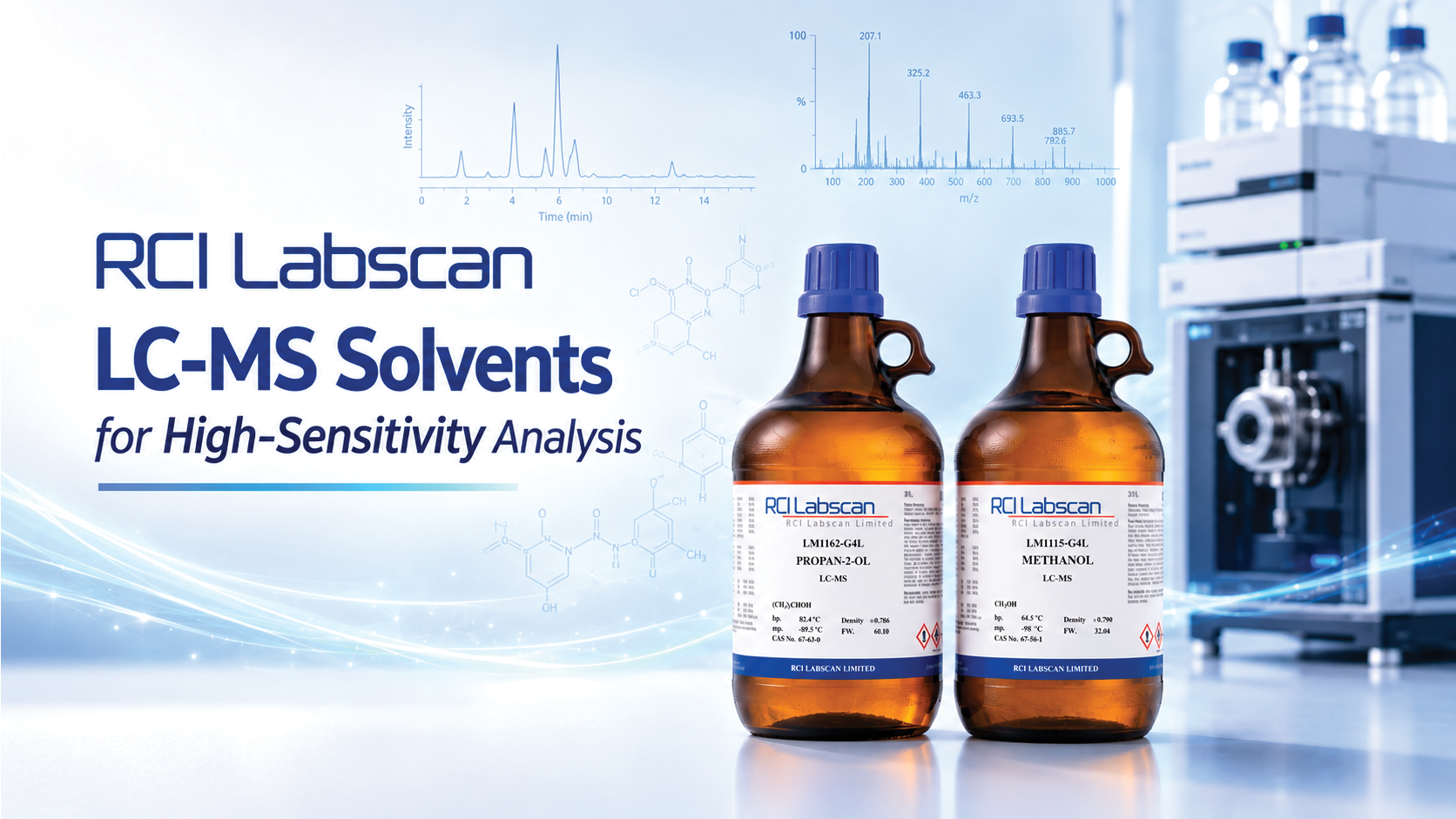
Methanol is a simple alcohol with the chemical formula CH₃OH. It is a clear, colorless liquid that evaporates easily and mixes completely with water. Because methanol dissolves many types of compounds, laboratories use it for chemical analysis, chromatography—including HPLC, LC-MS, and GC—sample preparation, solution preparation, extraction, and equipment cleaning.

Glass Bottle vs Plastic Bottle: Which Chemical Container Is Better?

Glass Bottle vs Plastic Bottle: Which Chemical Container Is Better?

(A Practical Guide to Choosing the Right Chemical Packaging for Laboratory, Industrial, and Storage Applications)

Direct Answer

Both glass bottles and plastic bottles are widely used for packaging laboratory chemicals, and neither is universally better than the other.

What Is an SDS? Why Every Laboratory Should Take It Seriously

What Is an SDS? Why Every Laboratory Should Take It Seriously Direct Answer

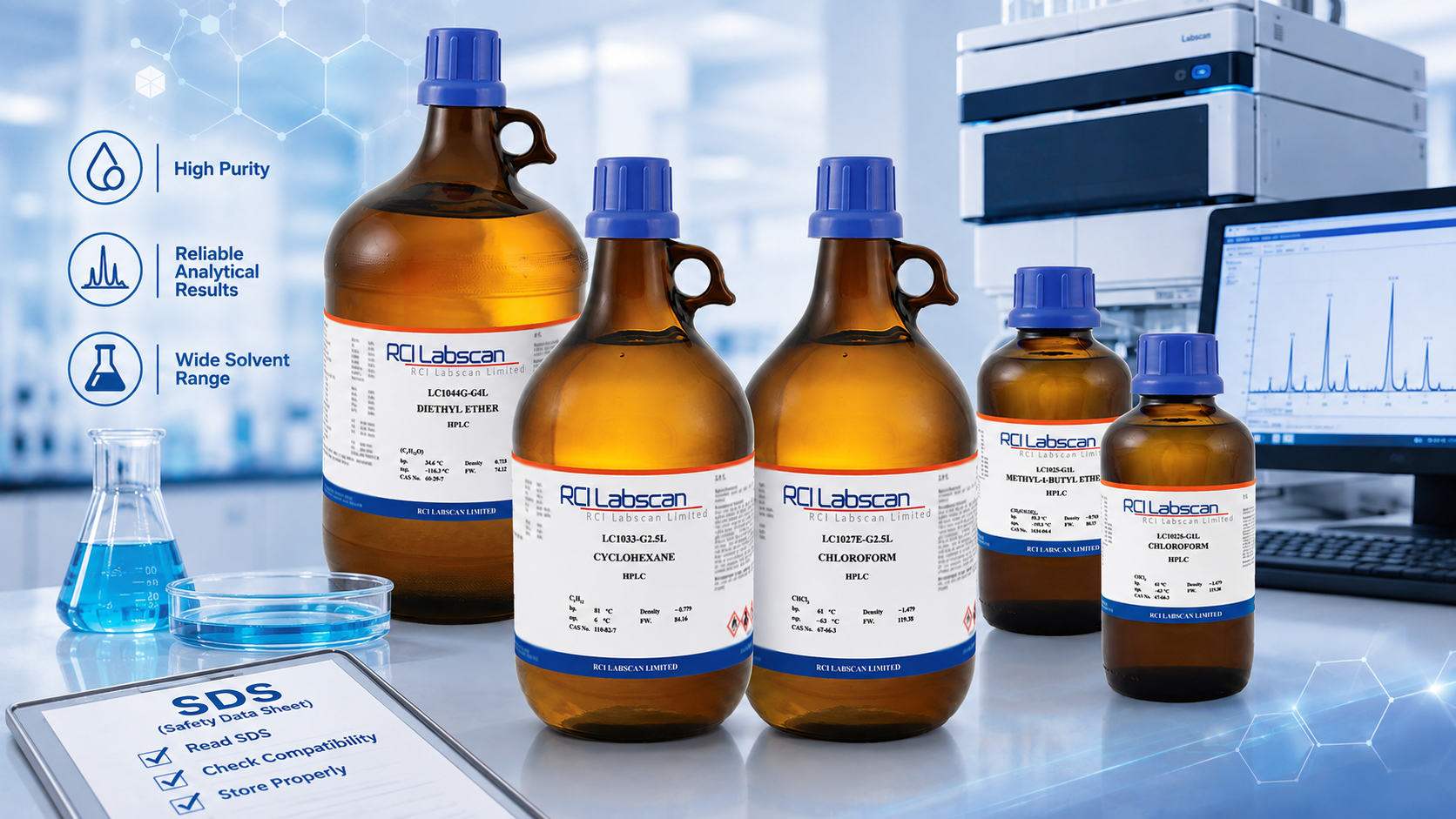
A Safety Data Sheet (SDS) is a standardized document that provides essential safety information about chemical substances and mixtures. It includes details on hazards, safe handling, storage requirements, first-aid measures, firefighting procedures, accidental release measures, exposure controls, and disposal recommendations.