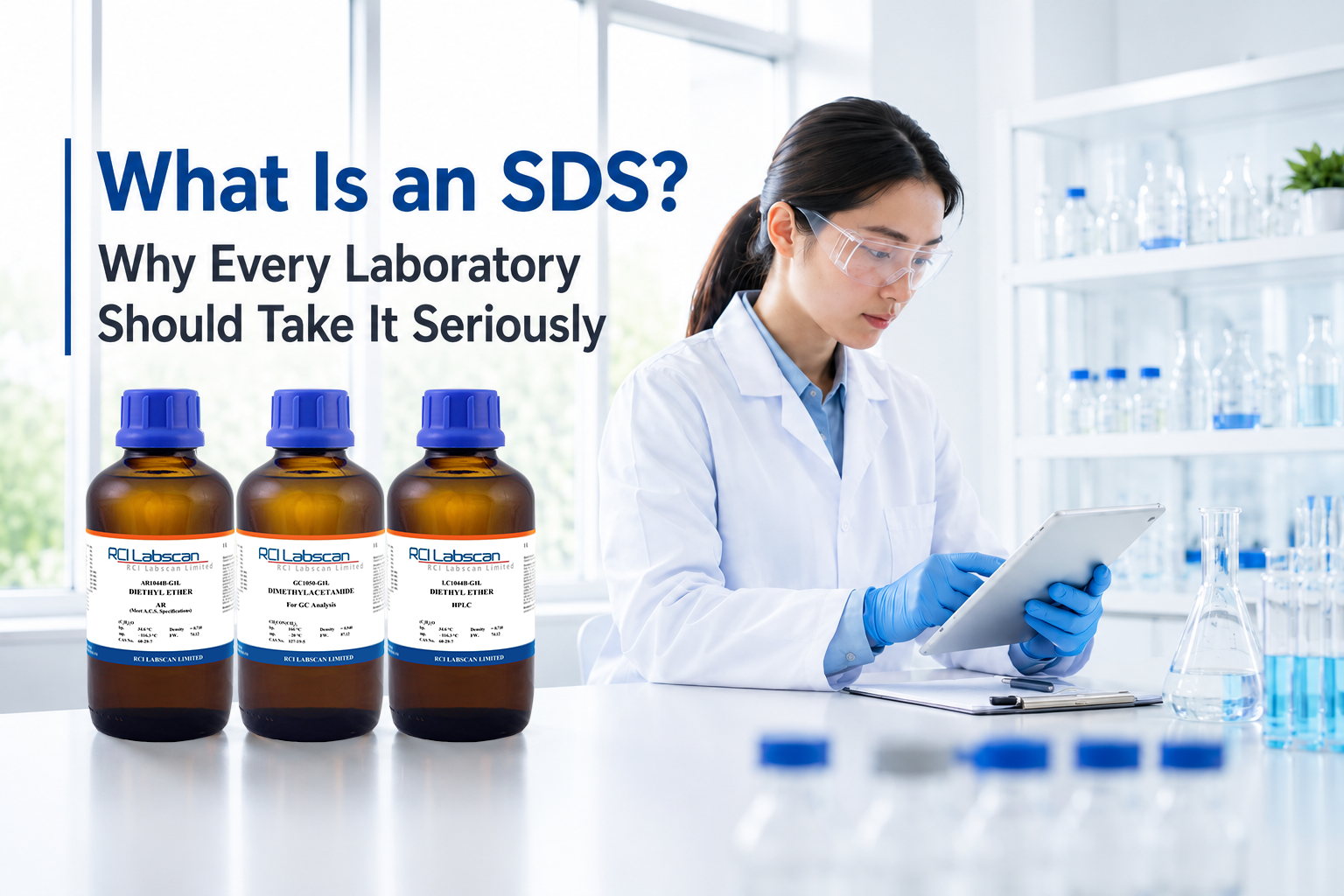
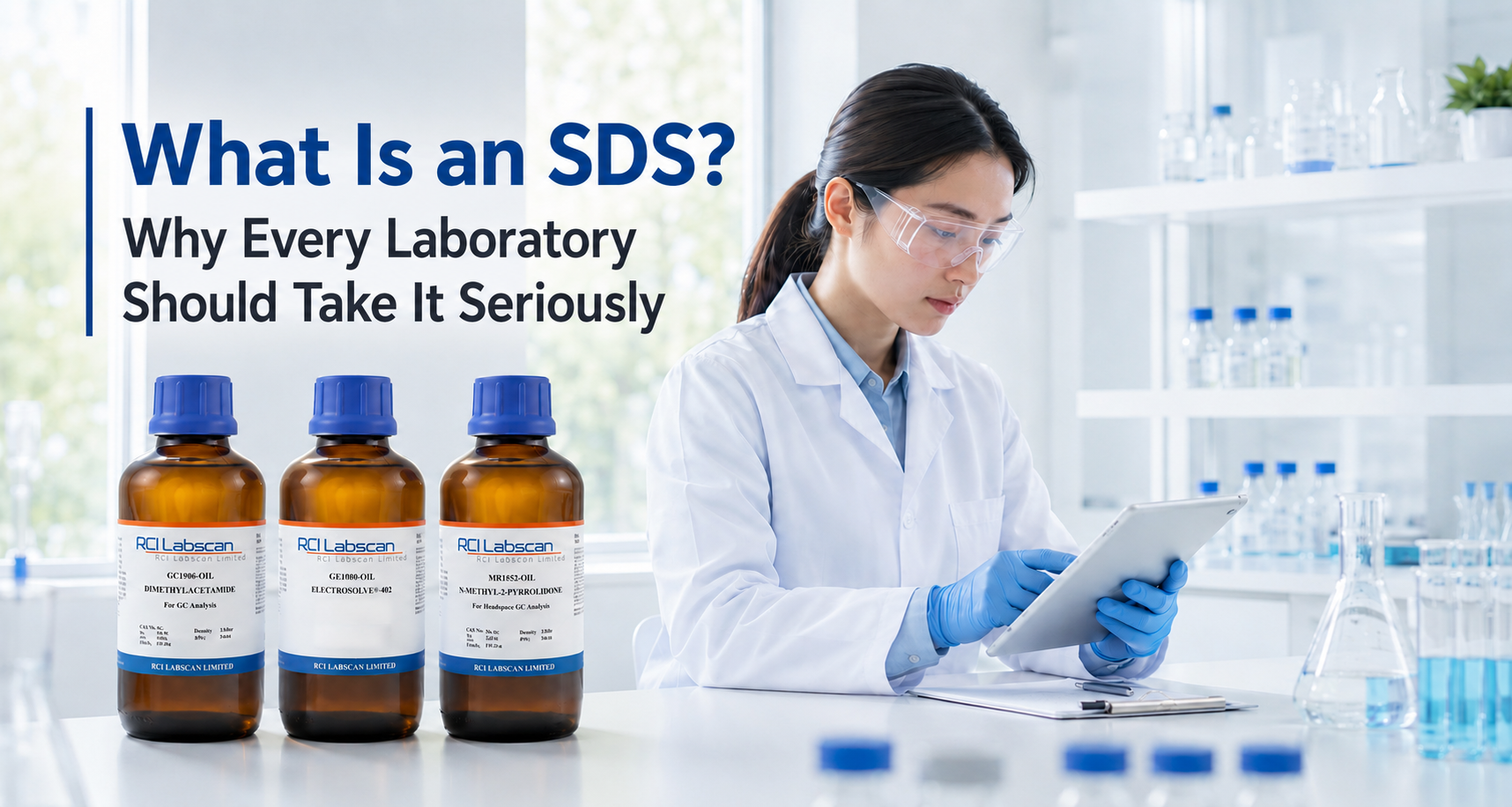
What Is an SDS? Why Every Laboratory Should Take It Seriously
Direct Answer
A Safety Data Sheet (SDS) is a standardized document that provides essential safety information about chemical substances and mixtures. It includes details on hazards, safe handling, storage requirements, first-aid measures, firefighting procedures, accidental release measures, exposure controls, and disposal recommendations.
Every laboratory should ensure SDS documents are readily accessible because they play a vital role in chemical safety, regulatory compliance, emergency response, and employee training.
What Is an SDS?
A Safety Data Sheet (SDS) is an internationally standardized document designed to communicate important health, safety, and environmental information about chemical products.
An SDS helps laboratory personnel understand:
- Chemical hazards
- Safe handling procedures
- Storage requirements
- Personal protective equipment (PPE)
- Emergency response procedures
- First-aid measures
- Firefighting guidance
- Spill response
- Disposal recommendations
Unlike a product label, an SDS provides comprehensive technical information that supports the safe use, storage, transportation, and disposal of chemicals throughout their lifecycle.
Why Is an SDS Important in Every Laboratory?
Laboratories work with a wide variety of chemicals every day, many of which may present physical, health, or environmental hazards.
Without easy access to an SDS, laboratory personnel may not know:
- The hazards associated with a chemical
- Which PPE should be used
- Proper storage conditions
- How to respond to spills
- What to do in the event of accidental exposure
- Appropriate disposal methods
- Which chemicals should not be stored together
Keeping up-to-date SDS documents readily available helps improve workplace safety, supports regulatory compliance, and promotes consistent laboratory practices.
What Information Does an SDS Contain?
Under the Globally Harmonized System (GHS), every SDS follows a standardized 16-section format, making safety information easier to locate.
The 16 sections include:
- Identification
- Hazard Identification
- Composition / Information on Ingredients
- First-Aid Measures
- Fire-Fighting Measures
- Accidental Release Measures
- Handling and Storage
- Exposure Controls / Personal Protection
- Physical and Chemical Properties
- Stability and Reactivity
- Toxicological Information
- Ecological Information
- Disposal Considerations
- Transport Information
- Regulatory Information
- Other Information
This standardized structure allows laboratory personnel to quickly find critical information during routine operations or emergency situations.
Key Reasons Every Laboratory Should Use SDS
Proper SDS management contributes to a safer, more efficient laboratory.
Key benefits include:
- Effective hazard communication
- Safe chemical handling
- Regulatory compliance
- Employee safety training
- Emergency preparedness
- Proper chemical storage
- Better purchasing decisions
- Risk assessment support
1. Understand Chemical Hazards
Before using any chemical, laboratory personnel should review the SDS to understand the associated hazards.
Hazards may include:
- Flammable substances
- Corrosive chemicals
- Toxic materials
- Oxidizing agents
- Reactive chemicals
- Environmental hazards
Understanding these hazards helps minimize accidents and supports safer laboratory operations.
2. Select the Appropriate Personal Protective Equipment (PPE)
Different chemicals require different levels of personal protection.
The SDS typically recommends appropriate PPE, including:
- Safety glasses or goggles
- Chemical-resistant gloves
- Laboratory coats
- Face shields
- Respiratory protection (when required)
Using the recommended PPE helps reduce the risk of chemical exposure.
3. Handle and Store Chemicals Safely
Section 7 of the SDS provides recommendations for safe handling and storage practices.
Examples include:
- Keeping chemicals away from ignition sources
- Avoiding incompatible chemical combinations
- Using adequate ventilation
- Keeping containers tightly closed
- Protecting products from excessive heat, moisture, or sunlight
Following these recommendations helps protect both laboratory personnel and chemical integrity.
4. Prepare for Emergencies
When chemical accidents occur, rapid access to an SDS is essential.
The SDS provides guidance on:
- First-aid procedures
- Spill containment and cleanup
- Firefighting methods
- Suitable extinguishing media
- Emergency response precautions
This information supports faster and more effective incident response.
5. Support Regulatory Compliance
Many national and international regulations require laboratories to maintain accessible SDS documentation for hazardous chemicals.
Maintaining updated SDS files helps support:
| Laboratory Activity | Why SDS Is Important |
|---|---|
| Chemical inventory management | Identifies hazards and handling requirements |
| Safety inspections | Demonstrates proper documentation |
| Employee training | Provides standardized safety information |
| Risk assessments | Supports hazard evaluation |
| Internal quality audits | Improves documentation management |
| Emergency preparedness | Ensures rapid access to critical safety information |
Laboratories should always follow applicable local regulations regarding SDS availability and document management.
6. Improve Chemical Purchasing Decisions
Before purchasing laboratory chemicals, users should review the available product documentation.
Important documents include:
- Safety Data Sheet (SDS)
- Certificate of Analysis (COA)
- Product Specification
- Technical Data Sheet (TDS), when available
Reviewing these documents helps laboratories determine whether a product is suitable for its intended application and quality requirements.
SDS vs. MSDS: What Is the Difference?
| MSDS | SDS |
|---|---|
| Older documentation format | Standardized GHS format |
| Manufacturer-specific structure | Uniform 16-section format |
| Different layouts between suppliers | Consistent global format |
| Limited standardization | Improved hazard communication |
Today, most chemical manufacturers issue SDS documents instead of MSDS.
When Should You Read an SDS?
- Before using a chemical for the first time
- Before introducing a new chemical into the laboratory
- When performing or updating risk assessments
- Before transferring chemicals into secondary containers
- During employee safety training
- Before disposing of chemical waste
- Whenever an updated SDS becomes available
Regular review helps ensure personnel are working with the latest safety information.
Documentation to Request Before Purchasing Chemicals
When purchasing laboratory chemicals, users may request:
- Safety Data Sheet (SDS)
- Certificate of Analysis (COA)
- Product Specification
- Technical Data Sheet (TDS)
- Product Grade Information
- Packaging Information
Complete documentation helps laboratories support quality systems, purchasing decisions, and regulatory compliance.
Related RCI Labscan Products
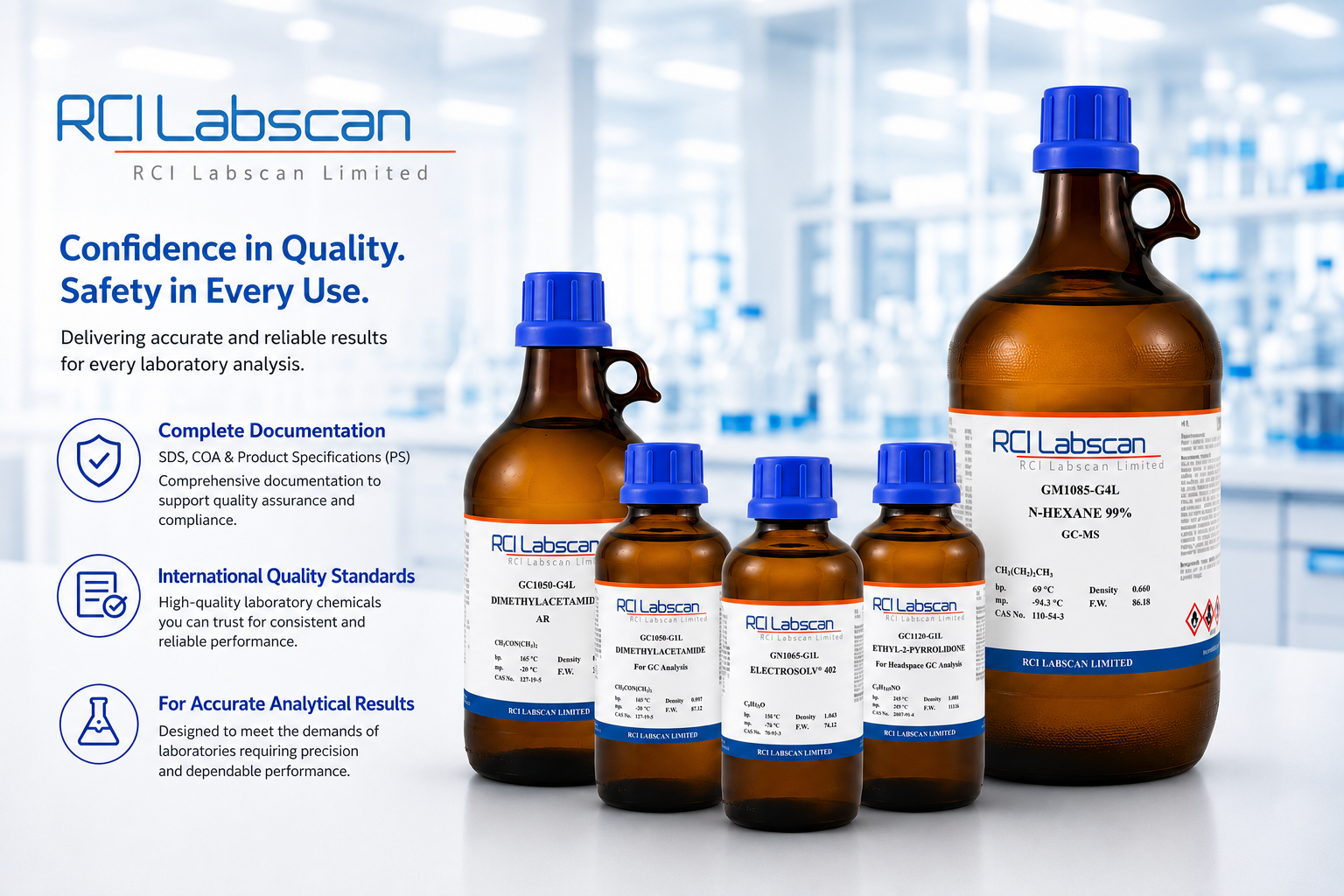
RCI Labscan supplies analytical-grade chemicals for laboratory applications together with supporting product documentation.
Depending on the product, customers may request:
- Safety Data Sheet (SDS)
- Certificate of Analysis (COA)
- Product Specification
- Product Grade Information
- Packaging Options
For product availability, documentation requests, or packaging information, customers may contact RCI Labscan or their local authorized distributor.
FAQ
What is an SDS?
A Safety Data Sheet (SDS) is a standardized document that provides information about a chemical's hazards, safe handling procedures, storage requirements, emergency measures, and disposal recommendations.
Why is an SDS important in a laboratory?
An SDS helps laboratory personnel understand chemical hazards, select appropriate PPE, respond to emergencies, store chemicals safely, and comply with workplace safety regulations.
What is the difference between an SDS and a COA?
An SDS focuses on health, safety, and environmental information related to a chemical product. A Certificate of Analysis (COA) provides analytical test results and quality specifications for a specific production batch.
Is an SDS the same as an MSDS?
Not exactly. MSDS is the older format. SDS is the internationally standardized format adopted under the Globally Harmonized System (GHS) and follows a consistent 16-section structure.
Where should laboratories keep SDS documents?
SDS documents should be readily accessible to all laboratory personnel during normal operations and emergency situations. Many laboratories maintain both printed copies and electronic document management systems.
How often should SDS documents be updated?
Chemical manufacturers update SDS documents whenever significant new hazard information becomes available or regulatory requirements change. Laboratories should always retain the most recent version supplied by the manufacturer.
Conclusion
A Safety Data Sheet (SDS) is one of the most important safety documents used in laboratories. It provides essential information on chemical hazards, safe handling, storage, emergency response, and regulatory compliance.
Before purchasing or using any laboratory chemical, users should review the latest SDS together with supporting documentation such as the Product Specification and Certificate of Analysis (COA). Doing so helps improve laboratory safety, supports quality management, and ensures chemicals are used appropriately throughout their lifecycle.
Explore Related Resources:
- Checklist Before Purchasing Laboratory Chemicals
- Browse Laboratory Chemicals
- Shelf Life vs Expiry Date: What's the Difference for Laboratory Chemicals?
Leave a comment!