
Packaging of Laboratory Chemicals: How Does It Affect Chemical Quality? Direct Answer
Yes. The packaging of laboratory chemicals plays an important role in maintaining product quality, stability, and safety throughout storage and transportation.
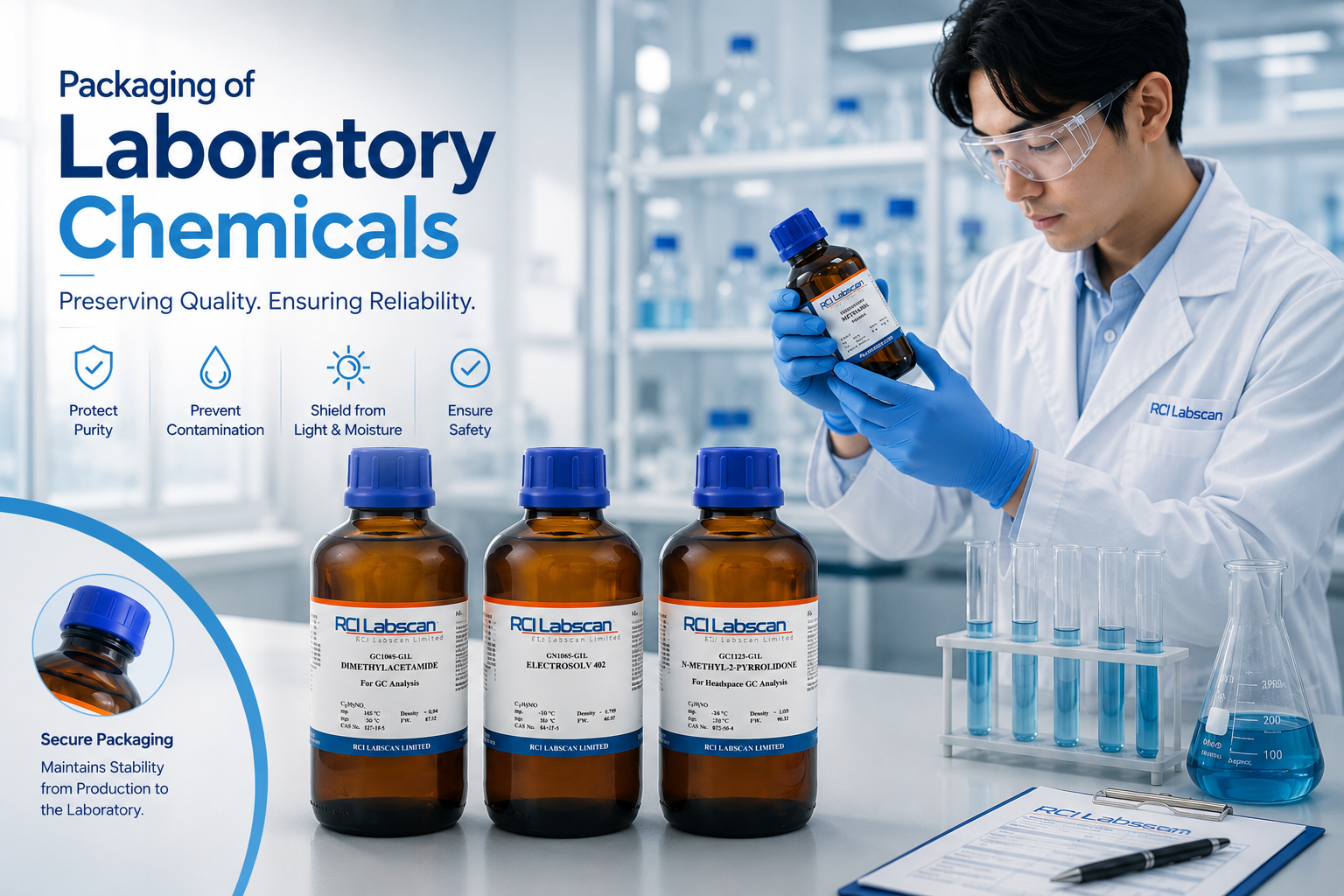
Packaging of Laboratory Chemicals: How Does It Affect Chemical Quality? Direct Answer
Yes. The packaging of laboratory chemicals plays an important role in maintaining product quality, stability, and safety throughout storage and transportation.
What Is an SDS? Why Every Laboratory Should Take It Seriously Direct Answer
A Safety Data Sheet (SDS) is a standardized document that provides essential safety information about chemical substances and mixtures. It includes details on hazards, safe handling, storage requirements, first-aid measures, firefighting procedures, accidental release measures, exposure controls, and disposal recommendations.
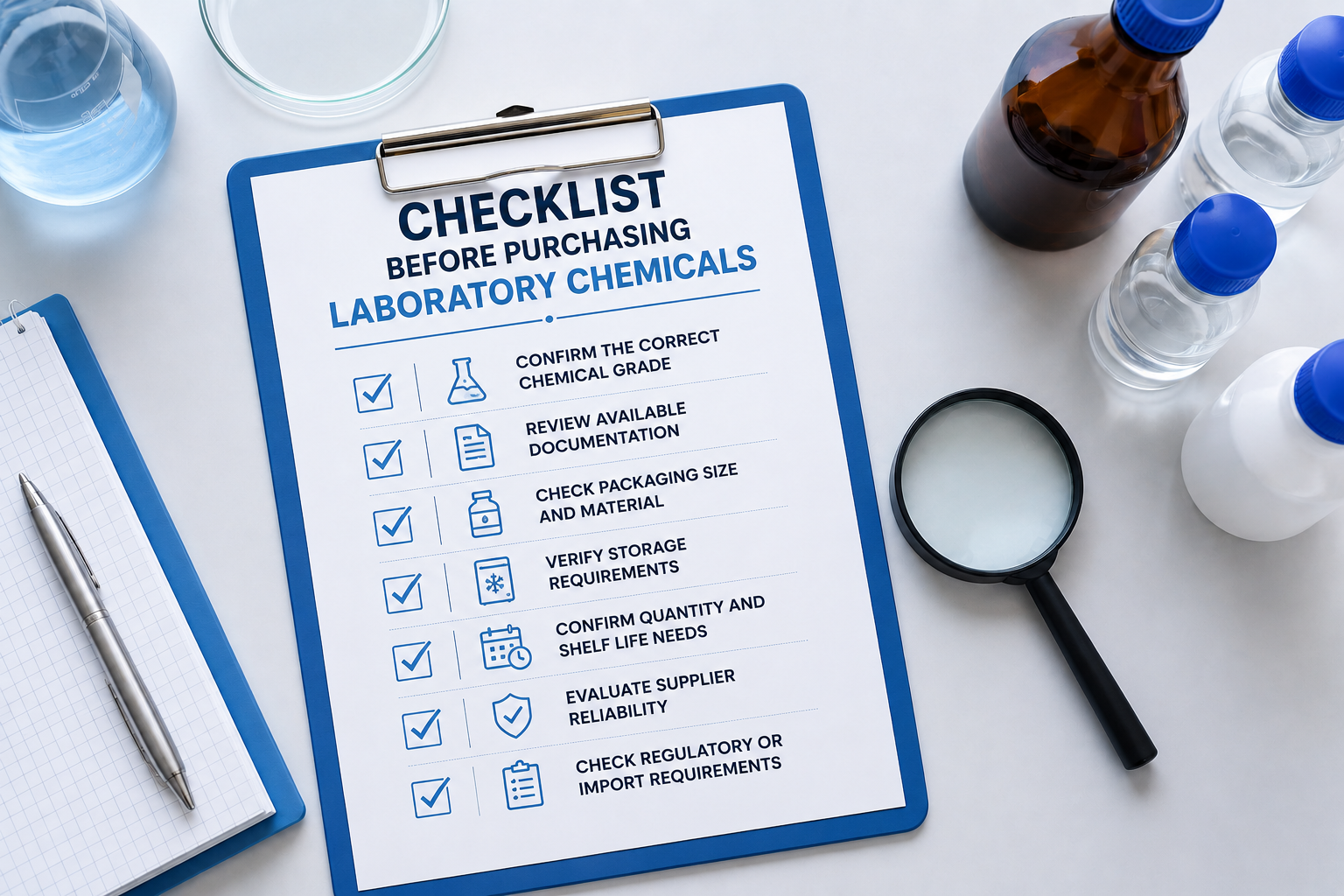
Checklist Before Purchasing Laboratory Chemicals
A practical guide to help procurement teams and lab users order with confidence
Direct AnswerBefore purchasing laboratory chemicals, users should confirm the correct chemical grade for their application, review available documentation such as SDS, COA, and product specification, check packaging size and material suitability, and verify supplier reliability and lead time.
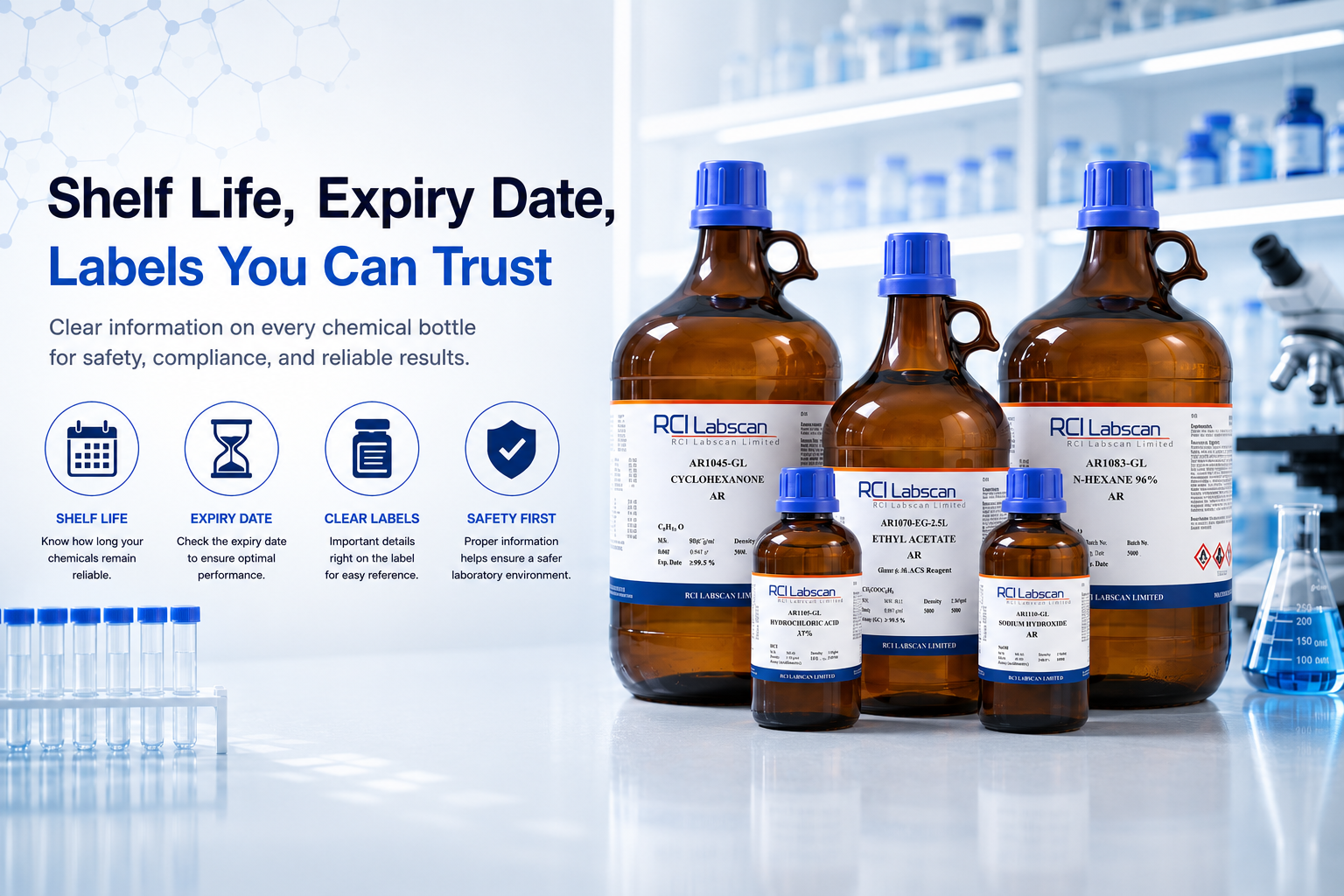
Shelf Life vs Expiry Date: What's the Difference for Laboratory Chemicals? Direct Answer
Shelf Life and Expiry Date are related but not identical. Shelf Life refers to the period during which a chemical product is expected to maintain its specified quality when stored under recommended conditions.
How Do Impurities in Solvents Affect Analytical Results?
Understanding solvent purity and its impact on chromatographic accuracy
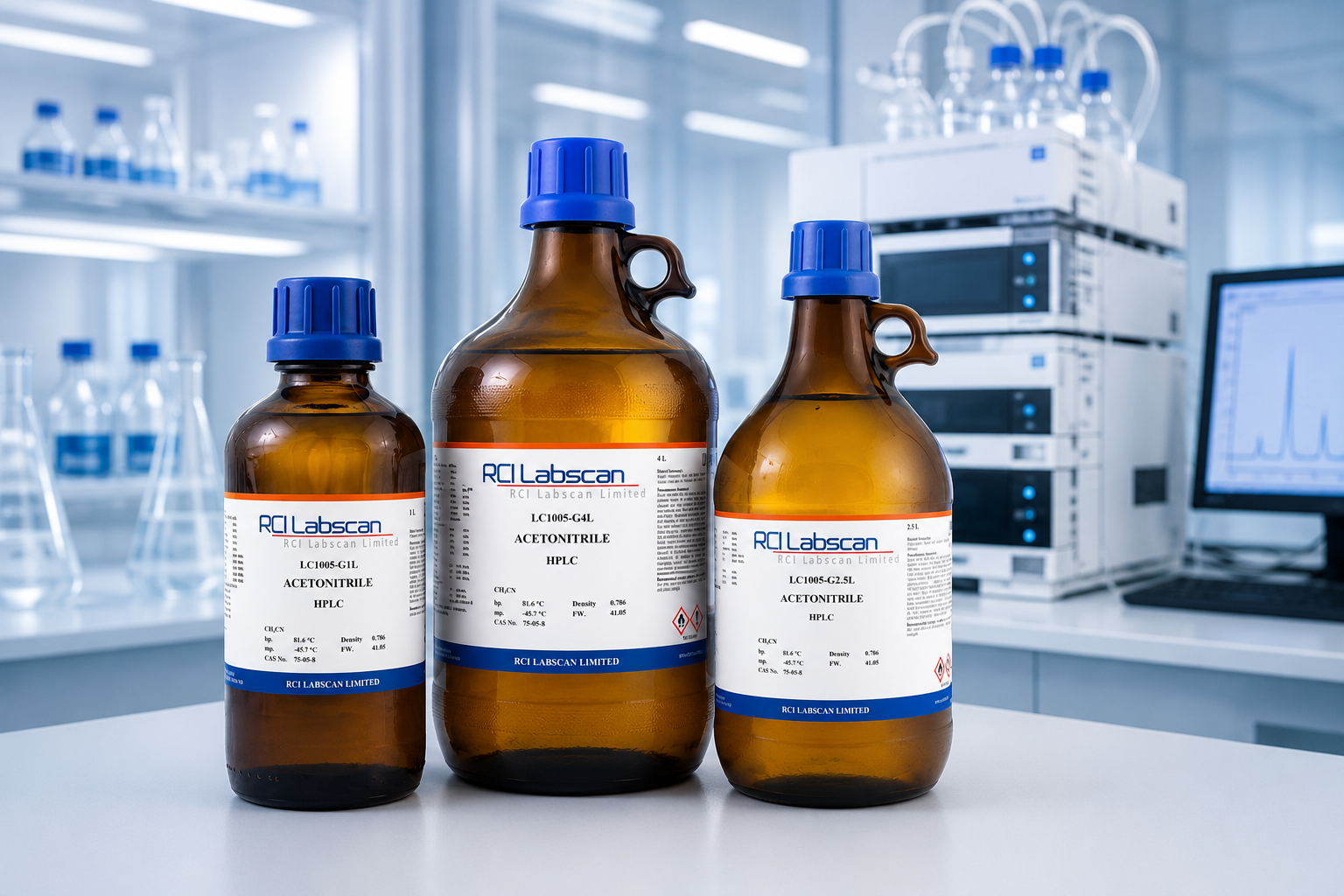
Direct AnswerImpurities in a solvent are unwanted substances that remain in the solvent even after purification.
What Is ACS Grade? How Does It Differ from AR Grade?
A clear guide to chemical grade terminology for laboratory and analytical use
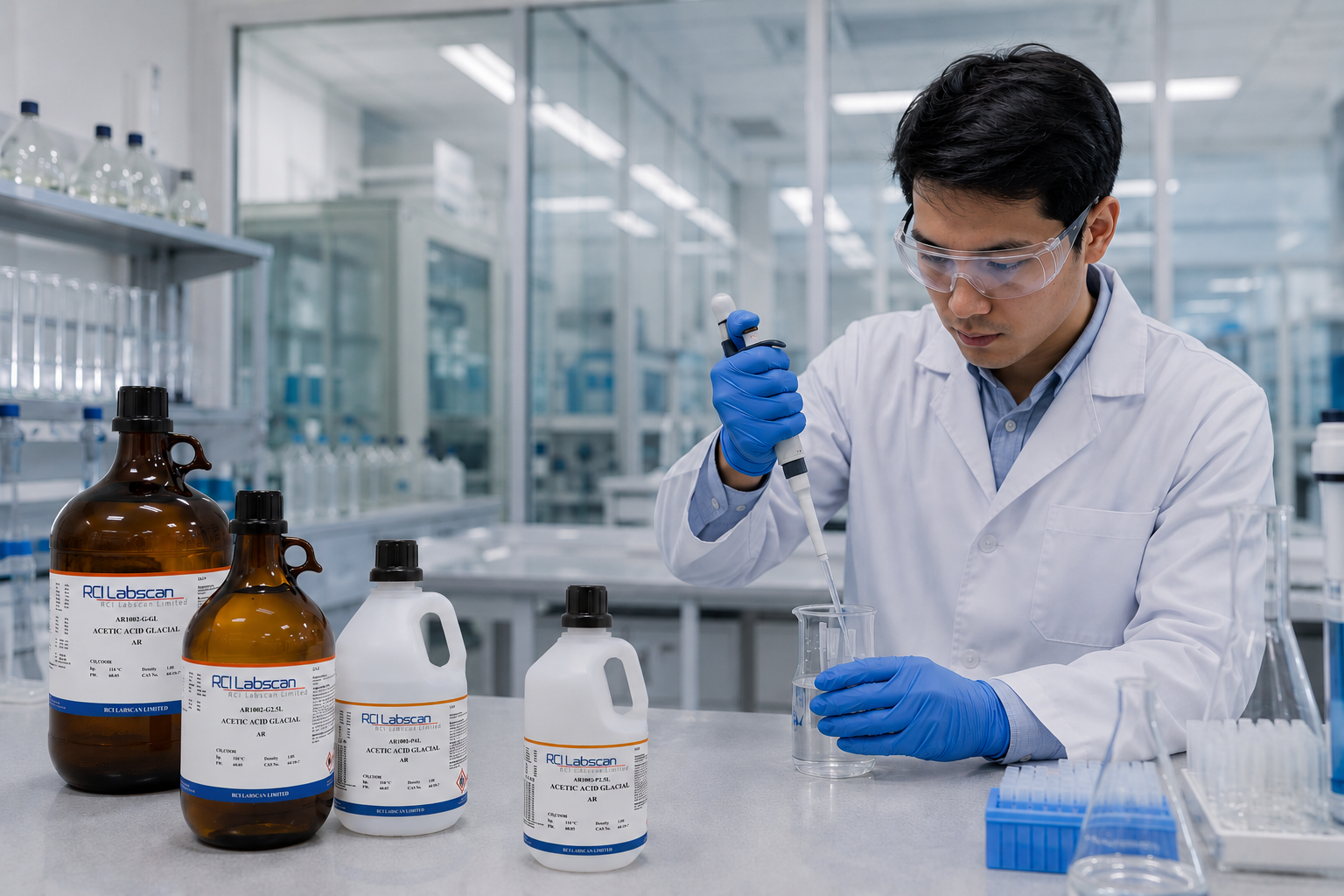
Direct AnswerACS grade refers to a chemical purity standard set by the American Chemical Society (ACS), which defines minimum specifications for certain chemical reagents used in analytical and laboratory work.
What Is AR Grade and What Is It Used for in the Laboratory?
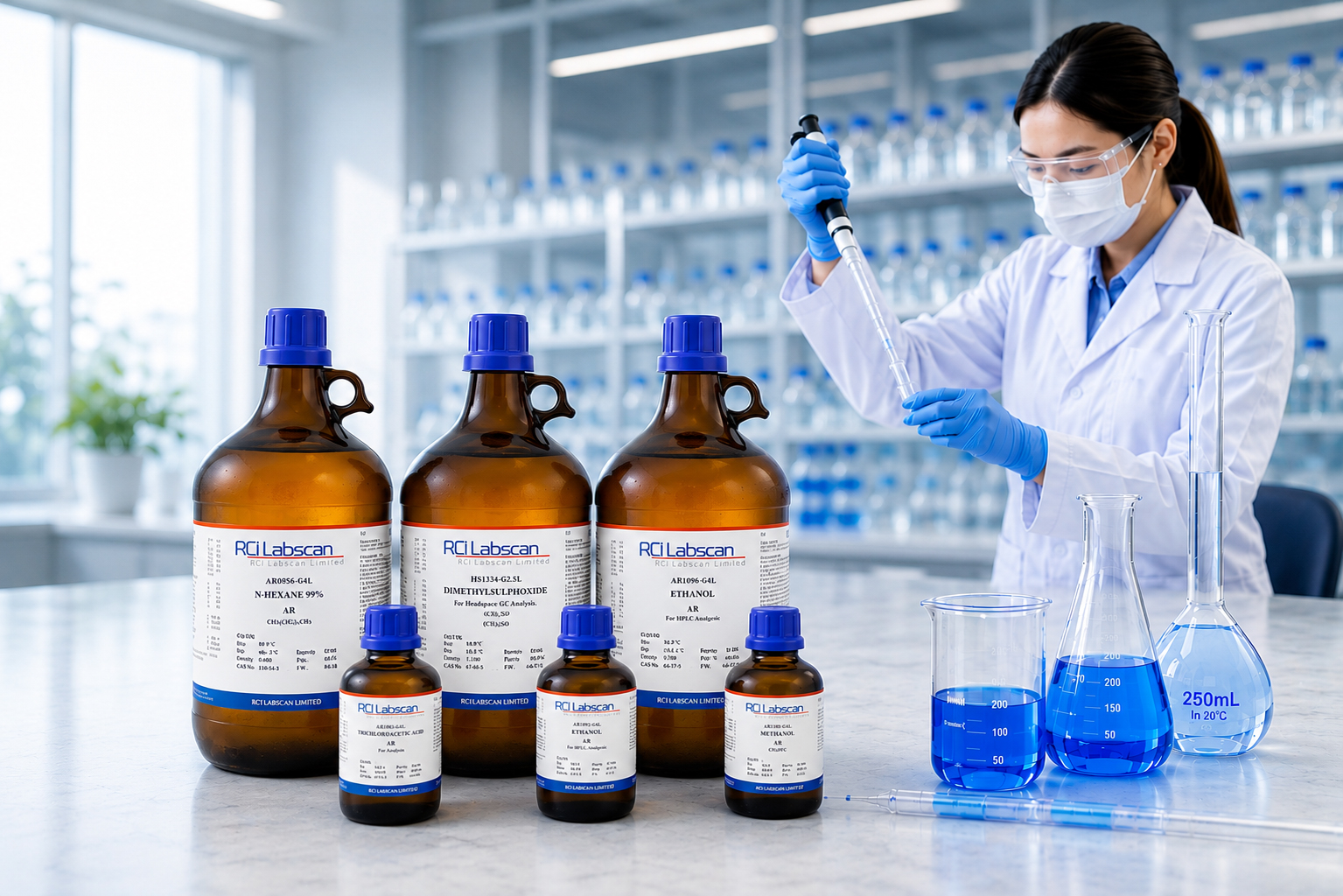
AR Grade (Analytical Reagent Grade) is a high-purity chemical grade manufactured for laboratory analytical work where accuracy, consistency, and low impurity levels are important.
Acetonitrile vs Methanol: Which Solvent Should You Choose for HPLC?
A practical comparison guide for HPLC method development and solvent selection
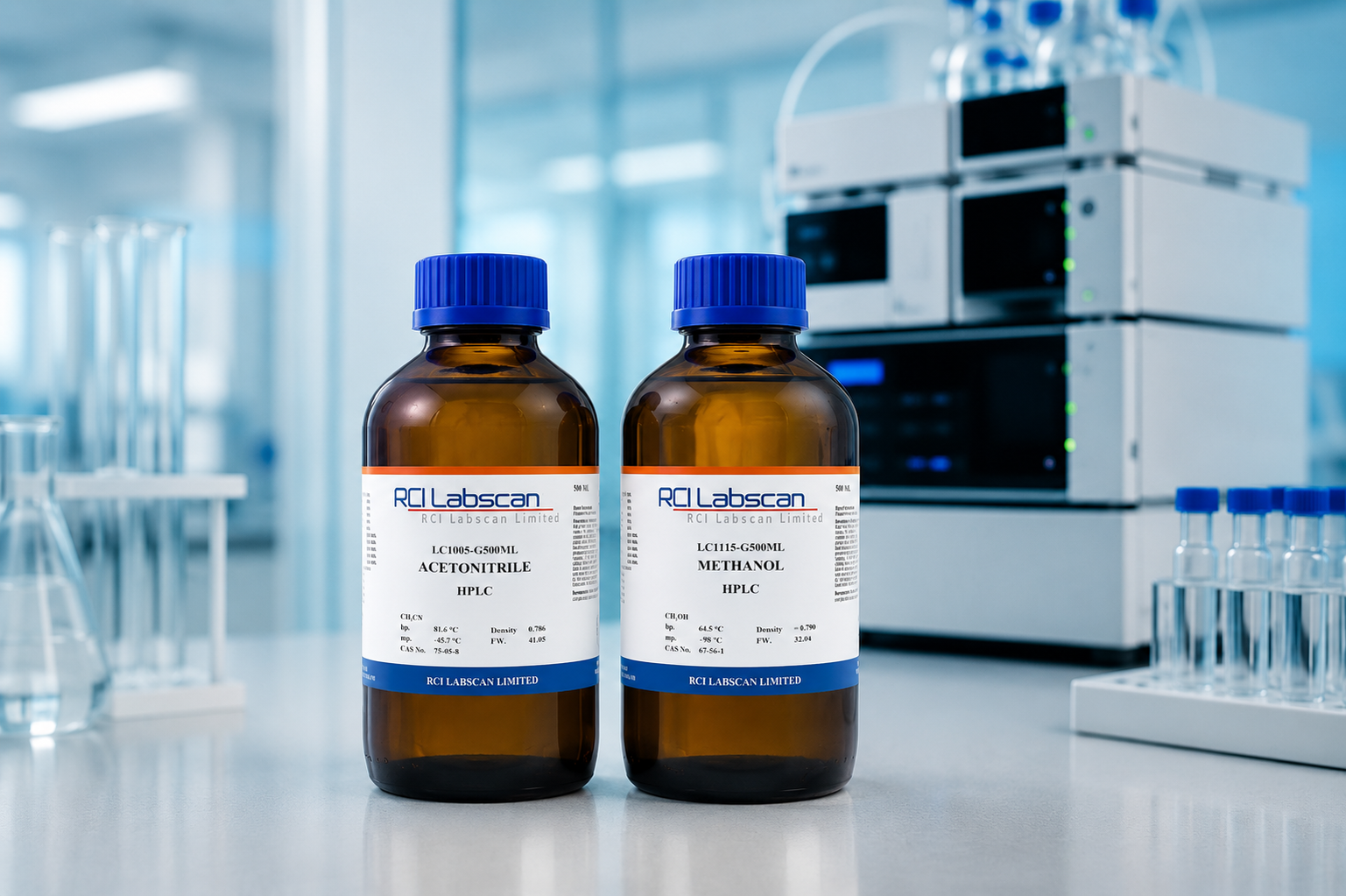
Direct AnswerAcetonitrile and Methanol are both widely used solvents in HPLC mobile phases, but they behave differently.
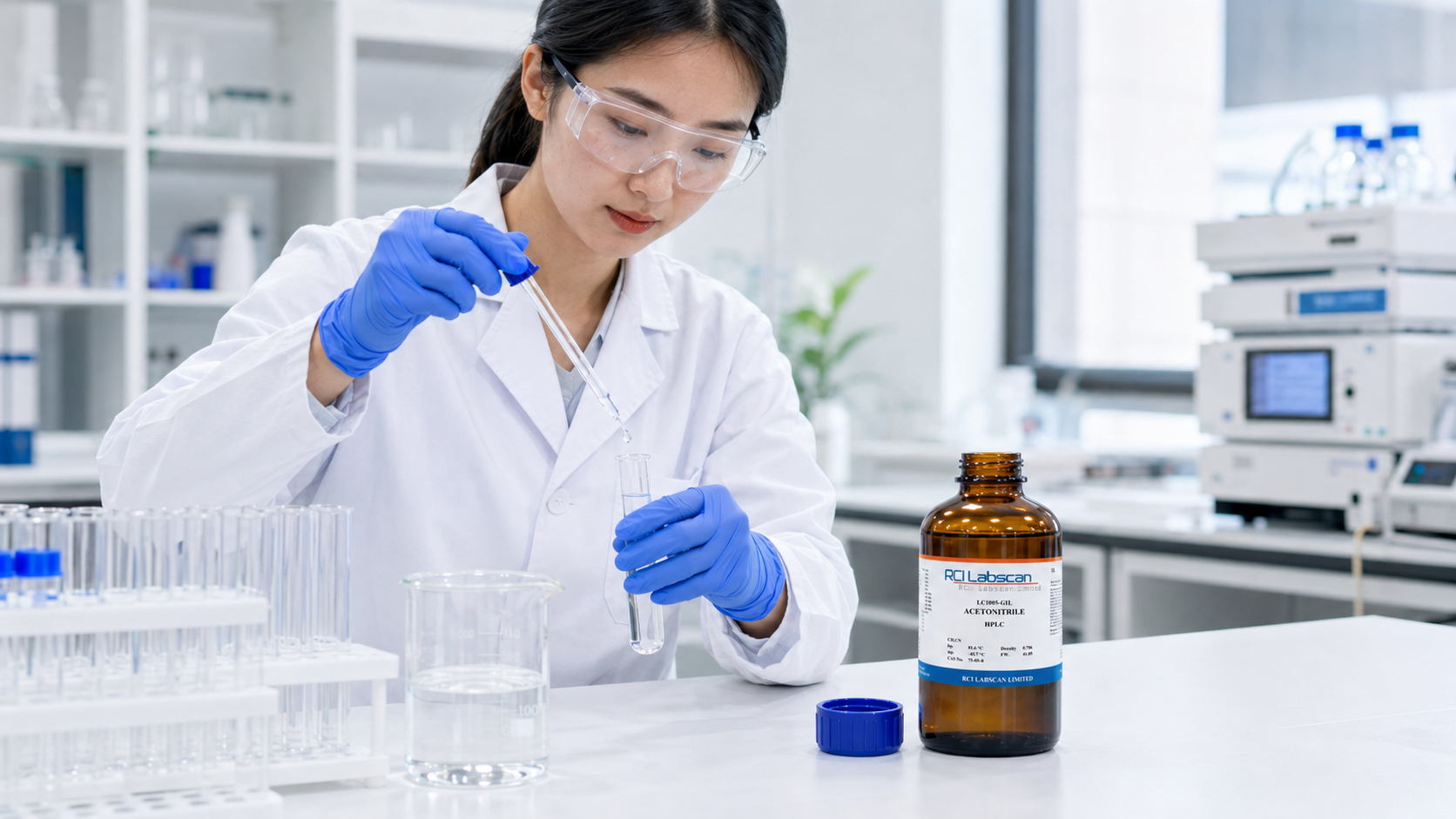
What Is Acetonitrile and What Is It Used for in the Laboratory? Direct Answer
Acetonitrile is a clear, highly polar organic solvent that laboratories commonly use for chemical analysis, sample preparation, extraction, and chromatography. In analytical laboratories, many users know Acetonitrile as a mobile phase solvent for High Performance Liquid Chromatography, or HPLC.
Because Acetonitrile mixes well with water, has relatively low viscosity, and works well in many chromatographic methods, laboratories use it in research, quality control, pharmaceutical analysis, food testing, environmental testing, and other laboratory applications.
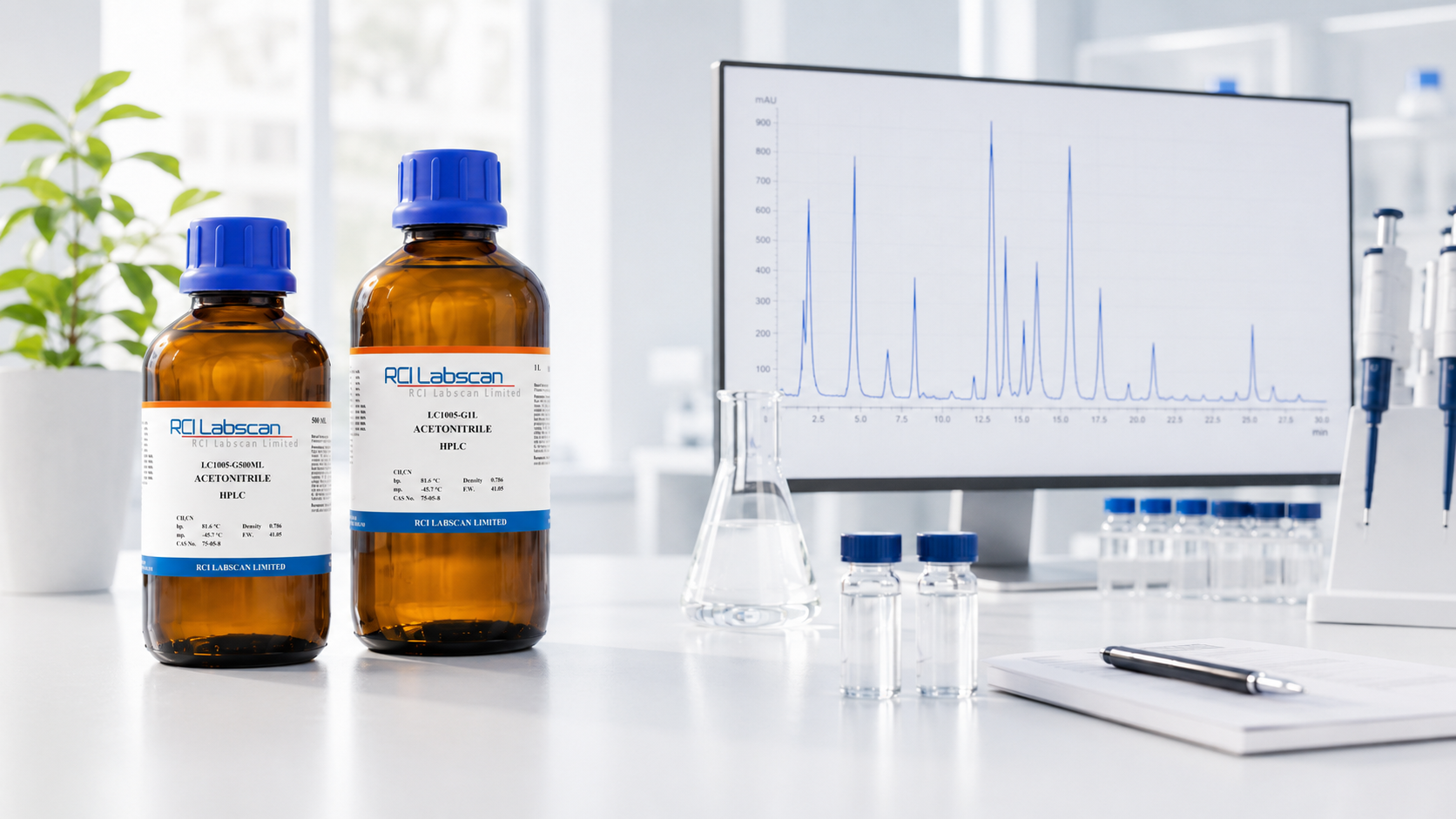
How to Choose Acetonitrile for HPLC Solvents
To choose Acetonitrile for HPLC, select a solvent grade that is specifically designed for chromatographic analysis. Key factors include high purity, low UV absorbance, low residue, consistent lot-to-lot quality, suitable water content, and reliable documentation such as specification, SDS, or COA. For routine HPLC analysis, HPLC grade Acetonitrile is commonly used, while more sensitive techniques such as LC-MS may require LC-MS grade solvent.